The TampaPix
theme music you're hearing
was composed and performed by
Tampa native Mike Baluja for the Tampa Natives Show.
You're listening to excerpts from two
versions of it edited together consecutively. Read more about Mike and his music.
Downtown Tampa 1957 photo courtesy of Florida Memory State Archives &
Library.
Read about how TampaPix got its start, at
About
TampaPix.
Most of the
photos on this site, except for the obviously historical photos and
where indicated, are my exclusive property and were photographed by me,
except where otherwise noted. This site is not-for-profit and is
for educational purposes. I am happy to share my photos and have
no objection to your personal use. I only request a photo credit
and reference to TampaPix.com. However, if you wish to use my
photos for advertising and/or profit-making purposes, I do ask that you
contact me for permission. If you wish to use my photos on
your website, please include a photo credit with a link to the source
page on this website.--Owner & webmaster of this site.
Here's what's NEW at TampaPix.comScroll down or click
to see links for all pages
Tampa Pix is on
Facebook as of
8/3/2013 - News about updates to existing
pages and new features will be announced there.
Links to new features here at TampaPix.com will continue to be
added to the list of
links to features here.
Read about what's new at TampaPix.com and what's in the works
by visiting Tampa Pix on Facebook. Comment about existing features and
photos. Tampa Pix on Facebook is a place where you can learn more about
the people, places and photos featured here at the TampaPix.com website and
express your thoughts.Tampa Pix on Facebook
UPDATED! THE SPANISH-AMERICAN WAR MEMORIAL
AT PLANT PARK Mar. 4, 2023
If you've
been in Tampa a while and have visited this 1927 memorial, you may
already be familiar with the fact that this gun we have now is NOT the
gun placed there in 1927. And that the original gun came from Fort Dade
on Egmont Key. But did you know there were TWO guns from
there that became war memorials?
Did you know when the original gun was cut up
for WW2 scrap metal use? TampaPix has the answer and presents the
circumstances of that sacrifice.
Do you know when the current gun arrived and
more importantly, where it came from? The commonly accepted answer
is that it came from Fort Morgan, Alabama.
MYTH BUSTED! Find out where it really came from.
See LARGER versions of photos taken by TampaPix in 2009, and a larger
version of the original gun from a 1930 Burgert Bros. photo. See photos
of the original two guns while in place at the McIntosh battery at Fort
Dade on Egmont Key and its fortifications. Learn about the gun and
its carriage.
● How many
cigar factories
were destroyed and how many employees were without work?
READ ABOUT THE
OPPORTUNISTS WHO PREYED ON THE VICTIMS AND HOW THE WHOLE CITY
CONTRIBUTED TO HELPING THE VICTIMS.
According to the UF Digital Library,
Tony Pizzo Collection, the two photos below are:
"The La Trocha Cigar Factory, once at 17th Street
and 13th Avenue, destroyed in the 1908 fire" and
"A Crowd watches
the La Trocha Cigar Factory engulfed in flames during the
Ybor City Fire of 1908 from 12th Avenue and 17th Street
North"
But is this correct? Was there
ever such a factory called "La Trocha" in Ybor City?
Find out what's really seen burning here. Find out what
"La Trocha" REALLY was.
Photos courtesy of the UF Digital Library,
Tony Pizzo Collection
THE END OF THIS
FEATURE CONTAINS NEVER BEFORE KNOWN (in modern
times) INFORMATION ABOUT TAMPA'S FIRST TOWN
CLOCK! The clock was installed in the mid 1880s in the tower of the
wooden County Courthouse built in 1852 by John
Breaker. The courthouse
was then sold and moved in 1891 so the new BRICK courthouse could
be built in its place. The old courthouse was moved up
Florida Ave and used as a boarding house. BUT WHAT
HAPPENED TO THE CLOCK?
Maybe you've heard the Plant Park zoo story,
it goes like this...
"Tampa's first City zoo began around 1937 as an animal shelter
in Plant Park on the banks of the Hillsborough River
near downtown. It was started by city employees and
originally consisted of a small collection of
indigenous animals such as raccoons, alligators and
an aviary with a variety of exotic birds. As
the zoo collection at Plant Park had grown, the
animals were moved during the term of Mayor Nick
Nuccio to the more centrally located Lowry park in
1957 where it was maintained by Tampa's Parks
Department."
CLOSE, BUT NO CIGAR.
Learn how and when the Plant Park Zoo really
started, and how it really ended. The storybook end
couldn't be further from the truth. And there's a
whole lot of history missing in between.
Never before in any historic
accounts of Tampa has the City Zoo at Plant Park
been covered beyond the above story.
There were bears,
a tiger, "ant bears," otters, a rhesus
monkey named "Cracker," a giant sea
turtle, and even a TEXAS TOAD! Learn about the taunting,
teasing, and abuse of
the animals by visitors. It's no wonder
a bear got even, more than once! The park was
a haven for pigeons and squirrels, but also a haven for
rats and vice. Find out the unusual reason
why the first bear was brought to Plant Park!
There were other zoos around Tampa.
The one with the most variety of animals was at
Boyd's Sunoco station at Hillsborough Ave. &
Nebraska Ave. It started in 1934 and quickly
became a popular
place for tourists, locals, and school educational
field trips. Learn about the main reason the zoo
shut down, and the position its owner, Al Boyd, held
with a non-profit organization in Tampa.
The county courthouse fountain pool had a collection
of alligators, turtles, and fish in the early 1910s.
It was a very popular attraction for locals and
tourists alike, especially at feeding time. But
it was NOT the intent of the county for there to be
ANY creatures in it. So how did this happen? TampaPix has the story.
At Sulphur Springs there was a collection of mostly alligators and
snakes, started in the mid 1910s
by C. M. Stokes. But the collection also
included a Florida deer, a bear, a llama, guinea
pigs, and birds.
CLICK
THE TITLES TO VISIT THE FEATURES
Maybe you've heard this story on how Lowry Park
came to be:
"In 1918, City Commissioner Dr. Sumter Lowry urged
the city of Tampa to buy land north of Sligh Avenue
at North Blvd. and dedicate it for use as a public
park. In 1925, after years of hard work, it became a
reality, and the park was later named in Lowry's
honor." A different version of this story says
that Lowry donated the land for the purpose of
building a city park. Much like the two histories of
Hortense the clock at Tampa's 1915 City Hall,
both can't be correct. So which story was it?
NEITHER ONE. The real history of the
105-acre park will surprise you.
Learn about the thatch-roofed
cabanas at Lowry Park in the 1930s seen in this
photo. These weren't picnic shelters at all.
So what were they for?
Learn about Tampa's park
director at the time, Buford B. Bradley. He
suddenly appears in the Tampa socialite scene with
some mighty impressive credentials and background.
He was appointed director under controversial
circumstances. But was he really what he said
he was?? TampaPix has done thorough background
research on his claims regarding his education and
experience. The results will also surprise
you.
The Lowry Park myths have been busted here at
TampaPix. See how and when it really started--it wasn't
intended to be a park at all.
When Lowry Park's Fairyland opened at Lowry Park in 1957, the
zoo was called “the Fairyland Zoo”
because the first animals were those
found in in children's storybook fairytales. Houses and scenes were re-created from
Mother Goose and other children’s tales. Kids
skipped across the Rainbow Bridge and darted among
replicas of the Seven Dwarves, Humpty-Dumpty, and
the Big Bad Wolf and the Three Little Pigs.
Soon, a larger collection consisting of lions,
tigers, bears, chimpanzees, monkeys, and even one
elephant, a female Asian named Sheena who had been
transported from India on a jet in 1961, making her
the zoo’s original flying elephant. The undisputed
star in those early years, Sheena performed twice a
day in a circus ring with a chimp named Suzie and gave rides to children. Admission was free.
This
feature has been improved with larger versions of the
original photos, as well as some added photos from an event
which wasn't originally included. This also includes larger
versions of photos from the Bucs welcome home Super Bowl 37
celebration at Ray Jay on Jan. 27, 2003. New
graphics have also been added, as well as photos of Ray Jay
dressed up for Super Bowl 43 in 2009.
SNAKES ON A
PLANE! -UPDATED- FEB. 20, 2021 WITH MORE
ARTICLES WITH PHOTOS ADDED, INCLUDING PRESENT DAY AERIAL
SHOWING FLIGHT PATH FROM T.I.A. INTO RAYMOND JAMES STADIUM! On
Dec. 9, 1969
a C-46 cargo plane made a forced landing in the parking area
of Al Lopez field. It came to rest against a utility pole,
just 500 feet from a house which was across Himes Ave.
Stories circulated amongst the West Tampa locals that it carried reptiles
and that snakes escaped to roam the neighborhood until they
were rounded up.
This is somewhat true;read on!
Page 1
features the a view of Ray Jay from the west from atop the Corp. Ct. 2
parking garage, and photos of the stadium and surrounding area.
Page 2
features photos of neighborhood parking in the area of the stadium.
Page 3
features photos of the flyover from a nearby neighborhood, showing
the B1 Boeing "The Bone" Lancer bomber, B2 Northrop Grumman Stealth
Bomber, & B52 Boeing Stratofortress Bomber performing together in a
flyover for the very first time.
NEW FOR
2021 (Jan. 25)
Those who can remember the DeSoto Hotel picture it as the giant
brick, block-long hotel at Zack and Marion Street. Younger
Tampans may
recognize it from old photos or because of the many
colorized postcards of it on sale to collectors.
But this
giant building wasn't the original DeSoto.
Follow
the history of this majestic old hotel from the construction
of the FIRST wood frame building and the construction of its
replacement, through it's final date with destiny--the
wrecking ball.
Learn
about its first manager, W.D. Lewis, and the story of its
original builder/owner James H. Thomas haunting the old place. TampaPix has found evidence he
may have even haunted the NEW
building! Read about the men who took over the old
DeSoto and built a magnificent new one in its place and
managed it for success: Robert F. Webb and Walter L.
Parker.
Read about fires at the DeSoto, and the
tragic death of one of Tampa's brave, young firefighters,
Lt. William Cooksey Eckles, en
route to one of the fires.
Learn the TRUTH about the legend of Thomas
Edison spending the night on the floor of the DeSoto.
And
don't miss this "breakout page," "The Murder of
Gilp Hankins and Who Was Mrs. B. S. Hankins?"
After W. D. Lewis left the DeSoto, Mrs. Hankins was one of the
interim managers
in the last years of the original building. Never referred
to by her first name, as was the custom in those days, or who her husband was, she was the widow of Bethel S. "Gilp"
Hankins. Read about the vicious street fight he and
his brother Sylvanus "Marter" Hankins had with the McNeill brothers, one of which was
a former city councilman and mayor pro-tem. Read about
the trial and the jury verdict, and find out
Mrs. Hankins's full name....
ALL HERE AT
TAMPAPIX HISTORY OF THE DESOTO HOTEL
and
THE MURDER OF GILP HANKINS and TRIAL OF THE MCNEILL BROTHERS
NEW FOR 2021
(Jan. 14)
A MYTHBUSTER
MEGA-FEATURE!
Over a YEAR in the
making; this one is a HISTORY-CHANGER!
Maybe you've heard
the story of how Tampa's old City Hall clock came to be called "Hortense
the Beautiful." It goes like this:
...When Tampa was having
a new City Hall built in 1915, the City Council did not find the
funds for the clockworks. Hortense Oppenheimer, the daughter of
prominent Tampa physician Louis S. Oppenheimer, led the campaign of the “Town Cryers”
that raised $1,200 to help pay for the clock. Beckwith Jewelry
Company donated the remainder necessary to provide the 2,840 pound,
four-faced clock, which was built by the Seth Thomas Company of Vermont.
Prior to the completion of City Hall, the clock was nicknamed “Hortense
the Beautiful” in honor of its benefactor, and it retains this name
today.
Great story, most of it's not true.
That's not
how it really happened, and that's not when it really happened.
Maybe you've heard this
"fired-up" version:
The
Oppenheimer children, five daughters and a son, were no less
vigorous or gifted than their father... Daughter Hortense
became incensed at the
city fathers in 1914 because the City Hall had no tower
clock to give the proper time.
Yielding under the pressure of Hortense and her irate band
of ladies the mayor erected a large clock in the
City Hall tower with four faces. Inevitably, it was named
"Hortense" and it still keeps accurate time today.
Great story, but it's not true either. That's not
how it really happened, and that's not when it really happened.
NOW find out HOW, WHEN, and
WHY it really happened, and MORE! The history of our "Old"
City Hall, from the wishing for it to the construction of
it, to the restoration of it.
Lots of Tampa "mini-myths"
busted--Did Maria (Moore) Post really officiate at the
groundbreaking? Did she really make a speech at the
cornerstone ceremony?
Did the clock really weigh
2,840 pounds? Was it really made by the Seth Thomas
Company of Vermont? (HINT: Thomaston is in
Connecticut, not Vermont.) SEE THE ACTUAL ORIGINAL SETH THOMAS TOWER CLOCK RECORDS
regarding Tampa's order, as well as the invoice for the
sale! SEE THE ACTUAL McSHANE BELL FOUNDRY records for
Hortense's bell...how big is she? How much does she
weigh? STRAIGHT from the manufacturer.
PLUS
lots of
beautiful
hi-res photos and the history of MORE than just City Hall!
Do NOT miss the many "breakout" pages.
Where
was Tampa's FIRST town clock and what happened to it?
In-depth
looks at
Tampa's little-known mayors: Wm. Frecker and
Frank Wing, and Tampa's most popular mayor, D. B. McKay.
Meet the Freckers, The
Embezzlement Trial of Charlie Frecker, Who was E. M. Greeson
and what happened to his theater?
The Oppenheimers of
Tampa. Who gave Hortense a heart transplant and when?
See an amazing view of
Tampa looking south from a high-rise rooftop on Jackson St.
in 1913. Where was the "new" City Hall first going to be
built? What was Hugh Macfarlane's reaction to the
selection of Bonfoey & Elliott's design?
When did the Hortense MYTH we
hear over and over today really begin, and who was responsible for
starting it?
HINT: It came from within City government.
The
life of Hortense Oppenheimer Ford; was Hortense really her
name and was Mr. Ford really her last husband?
Learn about what she did NOT want built in Plant Park, you
may be surprised! So much more. Remember to follow the breakout pages!
NEW: UPDATE, NOV. 2019 (Belated Announcement)
DO
YOU KNOW WHO THIS MAN IS? Well if you don't, YOU SHOULD!
When Ralph Stephens opened his first
Goody
Goody BBQ sandwich stand in Tampa in late 1925, it was his second location, the first
being one he opened earlier that same year in Hannibal, Mo. But
these weren't his first ventures into the restaurant business. He
started in the business in 1921, with three consecutive unsuccessful
restaurants in Oklahoma City. After those didn't pan out, he went
to Dallas to train to open a franchise BBQ Pig Stand in Little Rock, but a
change of plans took him to Hannibal and his first Goody Goody.
BUT WHERE DID
STEPHENS GET THE IDEA FOR THE
NAME? WHY GOODY GOODY? TampaPix has the answer, and
this man and his sandwich you see here had a lot to do with it.
See the newly updated Goody Goody
feature for 2019 and learn more about Stephens' three prior restaurant
attempts, here at "GOODY GOODY ROOTS."
Hint: This is NOT
Ralph Stephens!
Join in with other
Tampa natives and residents, past and present, to reminisce about
days gone by and share old photos. Do you remember Tampa,
the way it used to be?
Join our Facebook group "Save
Fairyland" and share your memories of Fairyland at Lowry Park!
We have the best collection of
Fairyland, Safety Village and Fantasia Golf photos on the web!
Are you SICK AND TIRED of the abuse the
name of our fair city takes because the news media and the tourist
industry insists on calling our home town "Tampa Bay?"
WHY ALL THE FUSS?
GO THERE
AND FIND OUT FOR YOURSELF.
YOU CAN STILL GO TO THE OLD PLACE--BUT
ONLY HERE AT TAMPAPIX.COM
NEW AT TAMPAPIX!
July 22, 2018
The
late Kyle S. VanLandingham, noted biographer of James T. Magbee,
wrote:
Magbee’s alcoholism and his role in Radical Reconstruction
made him an easy target. D. B. McKay once described him as
probably the most widely and intensely hated man who ever lived
in Tampa.
Before Tampa's
beautiful Waterworks Park and Ulele Spring was so named, it was
known in Tampa as "the Magbee Spring" because much of that area
belonged to James T. Magbee.
Don't
miss this MEGA-FEATURE over a year in the making!
THE
signature event of Magbee's life is probably his passing out drunk
on the sandy streets of Tampa, being covered with molasses and
corn by his enemies, and having his clothes ripped off by the
roaming hogs that feasted on the sweet mixture.
BUT DID THAT REALLY
HAPPEN?
Or maybe
you've heard of his preposterous yet ingenious "Habeas Corpus
stunt" when His Honor was jailed again for drunk & disorderly
conduct. He issued a Writ of Habeas Corpus demanding the
body of James T. Magbee be produced before his Hon. James T.
Magbee. He had it served on sheriff Deshong and mayor Lipscomb who
could do nothing but release him from jail!
DID THAT REALLY
HAPPEN?
Or perhaps
you've heard of the infamous "Courtroom Shotgun Incident" during
the following Spring term of the Court in 1874. In order to exact
revenge on the mayor, Magbee had mayor Lipscomb and the marshal O.
H. Dishong arrested
and charged with contempt of court. On hearing day, so the story
goes, as
Mayor Lipscomb approached the bench, he produced a shotgun and
shouted out "If I'm going to jail it will be for blowing out
your infernal brains, you old scoundrel!" He fired at Magbee, but a split
second intervention by a bystander who pushed the weapon upward
caused the shot to fire into the ceiling.
DID THAT REALLY
HAPPEN?
In the context of the
life of James T. Magbee are the events that shaped Tampa, from
its beginnings at Fort Brooke in the late 1840s to the decade of
the 1890s which spring-boarded Tampa into the 20th Century.
The Civil War as it played out in Tampa, the growth of Tampa from
a village to a city, and the events that eventually made the
coming of the railroad to Tampa possible, all in this feature.
Also included are extra features: The
life of Tampa's Civil War blockade-running hero, James McKay, Sr.
and his involvement in the Civil War, as well as his
confrontations with Magbee. Learn the history of Tampa straight
from James Sr.'s son, James McKay, Jr., and D. B. McKay, grandson,
who lived during those times and knew Magbee personally.
Compare and contrast how they and some of Tampa's most notable
historians describe the same events differently and draw your own
conclusions!
The Fairyland
storybook & nursery rhyme figures have begun to be displayed in their
beautiful new home at the Ulele Restaurant by Tampa's Riverwalk and the
Ulele Spring!
2017-April
16 - It's here! The new feature "Saving Fairyland" has been
added to TampaPix.com, along with another new feature, "Herman, King of
the Zoo." Saving Fairyland! is a chronological history of
our campaign from its inception, covering the discovery of the storybook
character figures by Mario Nuñez, the campaign to rescue them, their
acquisition, and restoration. It will be an ongoing feature
covering the restoration progress and any related stories, on through
the ultimate accomplishment--their display for all to enjoy!
Save Fairyland!
is a local effort of concerned Tampa natives and friends who worked to retrieve, restore and relocate the beloved storybook characters of
Fairyland which were formerly located at Lowry Park.
New for December 2016 NEW FEATURE- F84 fighter jet crash
near MacDill AFB, Jan. 24, 1963 UPDATED - Fairyland at Lowry Park -
photo of the LIVE Three Little Pigs 1958 attraction and seal
pool 1965 have been added. UPDATED - Al Lopez Park and
Field - photo of Al Lopez in his boat 1961 and Reds Land
concept sketch at Al Lopez field 1968. UPDATED - Tampa International
Airport history - photo of 1952 dedication ceremony with
Eddie Rickenbacker added. UPDATED - George Gandy and his Bridge
- photo added showing original span and Tampa city limit sign,
1953. UPDATED - Howard Frankland, the
Man and the Bridge - photo added showing ca. 1962 bridge
without safety divider wall
between opposing lanes of traffic. UPDATED - Tampa Stadium history
- photo added showing stadium construction with St. Joseph's
hospital in background, 1967. UPDATED - Tampa Bay Center
Mall - photo added showing the glass elevator, 1976.
Nov. 12, 2016 - Ft. Homer Hesterly Armory at
TampaPix.com has been improved and updated with larger
versions of existing photos and new photos added, including
more old Burgert Bros & Robertson & Fresh photos, as well as
photos showing progress on the renovation as the Bryan Glaser
Family Jewish Community Center. See
it at Ft. Homer Hesterly Armory History
NEW: Oct. 29, 2016 - Photos of MacDill Park at Tampa's
beautiful Riverwalk have been added, along with photos of
Col. MacDill and his tragic plane crash.
Read about the history of MacDill AFB, from before site selection
at Catfish Point through World War 2.
See T-38 Talon, F-5A, C-5
Galaxy, P-40 Warhawk, P-47 Thunderbolt, B-24 Liberator, P-51
Mustang, A-7 Corsair, F-4 Phantom & F-111 Aardvark.
Oct. 9, 2016 UPDATE - Page 2
- Clara Barton and the Spanish American War feature at TampaPix.com has been
updated with newly found information about another trip she made through
Tampa. See where she stayed this time!
Also, more images
have been added, including some of her journal, and various other images such
as a map of Cuba showing her early travels there, an image of the telegram the
captain of the USS Maine sent to the secretary of the Navy the night the Maine
exploded, and various interesting newspaper clippings from Clara's scrapbooks.
May 3, 2016
Clara Barton, founder of the American Red Cross
Did you know? Clara Barton,
the founder of the American Red Cross, was in Tampa several times in 1898
during the Spanish American War and was on board the USS Maine just two days
before it exploded in Havana Harbor.
Up until June of 1949, the HHS clock tower had no clock. By spring of 1949,
HHS students and alumni had collected enough funds to purchase one and
dedicate it in honor of Hillsborough's veteran casualties of World War II. The
139 names of Hillsborough High alumni who were killed in action during the war
were placed on a plaque inside the tower. A dedication ceremony was held
sixty-seven years ago, yesterday, June 3, 1949.
Now see an 8mm movie and original program from the
dedication ceremony!
NEVER BEFORE PUBLISHED,
thisrare home movie footage of the
dedication ceremony was recently found by
HHS Alumni
Association Board Member Jeannette Harper
Noble in the attic of her parents' Ybor City home.
She has graciously shared it with us so that generations of Big
Red alumni and friends can enjoy it. Also see an original
program from the ceremony, in mint condition, provided by
Charles Harkness, President
of the Hillsborough High School Alumni Association.
Scans provided by Rex Gordon, Hilsborean Historian.
"Big
Daddy" Don Garlits, drag racing legend, is a Tampa Native and
Class of 1950 Hillsborough High School graduate. His father
was a Westinghouse engineer credited with designing the first electric iron
and later was a pioneer in health food before it was "in." His mother
was Tampa's "Orchid Lady," a founder of the Tampa Orchid Society. Read about
Don's legendary accomplishments and his roots, here at this new
feature at TampaPix.com.
NEW!
The history of Goody Goody during the Stayer
years (1929-1980) has been updated with family photos and stories provided by
Glenda Stayer Wood, granddaughter of William "Papa" Bechtel Stayer. Read
about the circumstances that led up to William B. Stayer buying Goody Goody
from Ralph Stephens, Goody Goody feeding the Cincinnati Reds, Goody Goody's MLB manager, Carl Stayer's advertising campaign, memories of Goody Goody by
Stayer's children and grandchildren, and more! A larger version of the Goody
Goody Dining room in 1941 has been added,
along
with close up portions of various parts of the photo.
New content has been added to The World War II collection of
Lt. Charles E.
Cushing
Feb 9, 2015. Club & I.D. cards, photos, dog tags, leather
pilot's helmet, officer's cap, foreign currency, and handbook
"Fighting on Guadalcanal."
Pittsburgh
native Charles Edward "Bud" Cushing served in the U.S. Army Air Force
as a B-17 bomber pilot. After his training, he was stationed at
MacDill Field, Tampa, from Dec. 1943 through March, 1944.
Afterward, he flew on 35 bombing sorties into enemy occupied territory
in Germany and France from Thurleigh Air Field, England, from June
1943 through Jan. 1945, as a 2nd Lt./co-pilot, and 1st Lt./pilot in the
8th AAF, 1st Div., 306th Bomb Group, 367 Squadron "The Clay Pigeons."
Special thanks to Barbara Cushing
Mistretta, Mr. Cushing's daughter, and Ed Page, Mr. Cushing's nephew,
for providing the records and items for this feature. It contains numerous items such as medals, awards,
pins, buttons, objects, magazines, personal photos, and documents.
Many photos were taken during actual bombing missions.
See the
collection here at TampaPix.
The photo
montage above was created from images submitted to the
Tampa Natives Facebook page by fans and admins or are
topics of discussion.
Mouse over
each image or click it to see more.
TampaPix.com
is proud to team up with the
Tampa Natives
on Facebook to
bring you a list of photos & discussion topics located
on that site. See over 2,000 photos and over
350 discussion topics posted by fans & members, listed
on this searchable index! The index provides easy and
direct link access to each photo and discussion topic,
as well as the photo caption and comments posted by our
fans.
Browse
and search an index of photos posted by members of the "West Tampa, A Pictorial
Walk Down Memory Lane"
Facebook group! Each description is a link to the photo on the FB page. See
it here at TampaPix
It's been 11 years since
Macfarlane Park was added to TampaPix. Visit again to see the improved
feature with much larger versions of the Jan. 2004 photos, and some that
weren't previously used.
Historic photos of the original
pavilion and the ceremony in 1924 for the dedication of the current one have
also been added, as well as a corrected history of the park and the current
pavilion.
Larger versions of the Guida
house photos have also been added, as well as five beautiful photos of George
"Mr. West Tampa" Guida and his family provided by Marilyn Favata Messina.
Portraits of George as a young boy with his parents and sisters to photos of
him with his wife, children, and grandchildren.
And finally, experience
Tampa's own Mike Baluja's new music video, a tribute to Macfarlane Park,
featuring a song he composed and performs. Mike is the composer and
performer of the Tampa Natives Show
opening and closing theme--the TampaPix theme music you hear on this page, "I
Remember Tampa."
All here at TampaPix
I
PICKED A FINE TIME TO LEAVE YOU LUCILLE...
Who was Lucille Zehring, where was she from, and where did she
go?
She was the last person to see Davis Islands developer D. P.
Davis alive, before he disappeared through a porthole of the
R.M.S Majestic in the Atlantic Ocean on the way to the French
Riviera on Oct. 12, 1926. Described as a "former Mack
Sennett Bathing Beauty", she told her version of the story to
the authorities on how Davis came to fall into the ocean.
This on-again off-again mistress of D.P. Davis later revealed
Davis' letters to her before that fateful night, adding more
mystery to the mystery. Read more about her, and how she
became a Duchess, at the updated feature here at TampaPix,
Stories and Theories on the Disappearance of D. P. Davis;
Who Was Lucille Zehring?Oct. 2, 2013
THE
EIGHT HOMES OF HILLSBOROUGH HIGH SCHOOL
From its start in
1882 on Franklin Street north of the county courthouse, to the present magnificent location
on Central Avenue which opened in 1928, HHS has occupied eight
locations. The history of Hillsborough High
School at TampaPix has been updated with more detailed
information about the school's locations, including a history
of its first 6 locations from 1882 to 1911, found in
cornerstone of the school's 7th home, maps, and the people
that helped make it what it is today. Here at TampaPix.
Sept. 2013
THE 1st THOMAS JEFFERSON JR. & HIGH & GEORGE WASHINGTON
JR. HIGH
When Hillsborough High moved out of their 7th home, a
structure built in 1911 on Highland Avenue,
Jefferson moved in. After Jefferson closed, George
Washington Jr. High moved in. This new page at
TampaPix features photos and info about those years,
including Jefferson's first principal, D. W. Waters.
Here at
TampaPix.
Sept. 2013
THE D. W. WATERS CAREER CENTER
When George Washington Jr. High on Highland Avenue
closed, the building was later named the D. W. Waters
Career Center in the mid 1990s, through the efforts of
the Jefferson High School Alumni Association. The
Association also spearheaded a campaign that led to a
$14 million renovation to restore the dilapidated old
building to its original pristine beauty and put the
building on the National Historic Register. This
new feature at TampaPix spotlights the Association's
efforts, and this historic Tampa gem, with photos and
info about this beautiful building. Here at
TampaPix.
Sept. 2013
THE JEFFERSON HIGH SCHOOL ALUMNI MUSEUM
Again, through the efforts of the Jefferson High School
Alumni Association along with generous alumni donors, a
museum was established in the D. W. Waters Career Center
to preserve Jefferson's history. This new page at
TampaPix features photos and information about the
museum, and honors Tampa native
Rick Casares, a class of 1950 Jefferson High
graduate. Casares was an outstanding,
multi-talented athlete who went on to success with the
Florida Gators and the Chicago Bears of the NFL, setting
numerous records with the Bears as a fullback.
Here at
TampaPix.
Sept. 2013
A NEW photo has been added 8/3/2013
International Bank employees enjoying yellow rice & chicken dinner,
c.1942
Formerly the great competitor to the Columbia
Restaurant in
the 40s, 50s and 60s, Las Novedades Restaurant's ownership history
had connections to the
Columbia, along with family ties to another great Tampa restaurant--Spanish Park. At Las Novedades, Chef Jose Martinez and his Pompano Papillote set
a standard of excellence. Visit
Las Novedades
When Ralph Stephens first went into the restaurant business in Oklahoma
City in 1921, he set in motion a chain of events that would lead to the
creation of restaurants in Missouri, Florida, Ohio, Oklahoma, and
California, for the Stephens and Reid families and those who followed
them. These famous restaurants, Goody-Goody and Dolores, were independent
operations that shared some common roots, traditions, and menu items. To
those who patronized them, these names still evoke memories of delicious
food--a delicious hamburger with secret sauce, and homemade pies--and happy times.
"The Goody-Goody Family Tree" is a multimedia feature that gives a history
of the Stephens and Reid families and their restaurant ventures in three
states. Read about the origin of the famous Goody-Goody Secret
Sauce, the recipe of which remained a closely-guarded proprietary secret
for all the years it was used in Tampa, and was true to the original
1925 recipe to the final day of the Tampa Goody-Goody.
Also, now you can
go "behind the scenes" at the downtown Tampa Goody-Goody! See a
layout of the restaurant as it appeared in its final years, along with a
history of how the building evolved over the years, at "Behind the
Scenes at Goody-Goody, Tampa."
The
Burgerts were a family of photographers who moved to Florida
from Ohio in the 1880s and established a remarkable record in various phases
of the photography business, primarily in Tampa. They were
six sons and one daughter-in-law of the original photographic
progenitor of the family, Samuel Burgert. Three generations of
Burgert photographers worked productively from around the 1860s until the
1960s and at various times took, sold or marketed supplies for hundreds of
thousands of photographic images. In the
process, they coincidentally documented Tampa's development from a
little more than a scrubby port village to a major urban center of
international importance.
NEW! A larger, higher resolution version of
all the brothers together in Plant Park, July, 1911, has
replaced the smaller image. Sept. 1, 2012.
Photo courtesy of JoAn Bednarek Rodriquez.
This feature has been updated
extensively with an in-depth look at the Burgert family
members themselves, including exclusive photos of the
Burgerts provided by Burgert descendants Diane Heflin
Dowling and Harold "Hal" Chesney Burgert, III, great
grandchildren of Samuel P. Burgert. Also, many
more of the Burgert's photos have been added, thanks to
the efforts of the Tampa-Hillsborough County Public
Library, the University of South Florida Digital
Collections, the University of Florida Digital
Collections, The State of Florida Memory Project, LIFE
Magazine, and other sources.
April 4, 2013
Gunn
Highway was built with convict labor and completed in 1925
from Tampa through Odessa and Elfers to New Port Richey.
The road was maintained by the people who lived along it and
was considered to be one of the finest roads in the state at
the time.
Read about John Thomas Gunn, the Englishman for whom this
highway was named, here at Tampapix "What's
in a Name." 10-28-2012
Photos
have been added to Downtown at Tampapix, including a porcelain
plate depicting the iconic "Tampa" mural at Florida Ave. and
Royal St., along with a photo of the same building in 1957 and
one of the artist, Carl Cowden, III.
10-19-2012
What
does U.S. Army Brigadier General William H. Bisbee have to do
with legendary pirate José Gaspar? They both had a
three-masted schooner named after them, in fact, the same
ship.
The schooner William
Bisbee was built in 1902 in Maine, and after over 30 years of
service as a cargo ship in the Atlantic, she was sold in 1936
to a Tampa freight broker in the interest of the Gasparilla
Festival.
Read about the José Gaspar's previous
life as the William
Bisbee, and see images of the Bisbee, and a beautiful photo of
her as she sailed up the Hillsborough River in 1938.
NEW: Four photos of
the Bisbee in drydock in Tampa, in preparation to become the
Jose Gaspar, have been added. A large photo of the
C.H. Hackley, a schooner used as the Gaspar in the early
1920s, has also been added. 10/10/2012
The Favata family
heritage dates back to the family’s olive
farms in Sicily in the 1800s. They immigrated to America at the turn
of the 20th century and like many other Italian families, headed to the
fast-growing port city of Tampa where a prosperous future awaited them. Giuseppe (Joe) "Pepito" Favata dreamed of having his own market
and raising a family in America. Read about Joe, his family, and his dream
come true, at
Joe & Son Food Market, here at Tampapix.
9/26/2012
Photo added to Tampa Stadium
history - A rare view of the stadium before the end zones were
closed in
-
Tampa Stadium from across Himes, early 70s
9/18/2012 Tampa Stadium was the bay area's first large football facility.
With an initial seating capacity of 46,477, it was built for
the University of Tampa Spartans football team with an eye
towards a potential NFL expansion team in the future. It
was host to numerous pro football exhibition games in the late
60s and early 70s. B Read about
Plant Field, Phillips Field, Tampa Stadium and the teams that
played there,all here at Tampa
Stadium.
Every
day, thousands of motorists travel Adamo Drive, a busy 7-mile stretch of State
Road 60 between downtown Tampa and South Falkenburg Road in Brandon. Few
remember for whom the street was named; even fewer pronounce the name ah-DAHM-o,
as Dr. Adamo would have. A World War II prisoner of war hailed by Life
Magazine as "Bataan's medical hero," he earned a huge welcome when he finally
came home in 1945. Tampa celebrated Frank Adamo Day with a parade and the
renaming of 1st Ave. in Ybor City in his honor. Adamo's courage and sacrifice
as a prison-camp physician, and the many lives he saved with his innovative
treatment for gangrene, earned him a Legion of Merit medal. See the
newly edited article, including an exclusive portrait of Dr. Adamo,
here at Tampapix.
The "Roaring Twenties" brought Florida a
land boom, prosperity, and an invasion of new kind of pioneer.
Facilitated by affordable automobiles and improved roads, the invasion
consisted of tourists from the North and Midwest, in the form of "Tin Can
Tourists."
Read about the
Tin Can Tourists of the World club, founded in 1919 in Tampa's De Soto Park,
and about Tampa's Municipal Trailer Park, built in 1938 on the west bank of
the Hillsborough River just south of Columbus Drive, to lure the Tin canners
back to Tampa for their winter conventions.
TampaMayor Perry G. Wall, II, was born to a
distinguished Florida pioneer family in 1867 near Brooksville, FL. In 1884 he established a hardware business in
Tampa with his
brother-in-law, Henry Laurens Knight. Knight & Wall
would become one of Tampa's most
prominent and enduring businesses, lasting for nearly 80 years. Family
members became prominent Tampa businessmen, mayors, judges, state
representatives, a distinguished doctor and an infamous underworld figure.
Read about K&W here at TampaPix
The Lafayette
Street Bridge Did you know? Three bridges were
built across the
Hillsborough River at what is now Kennedy Blvd.
Read how these three bridges tell the story
of the growing pains of the
city of Tampa and the events
of
the times, including Tampa during reconstruction
after the Civil War, ferries
across the river, the influence
of
H.B. Plant's railroad and Tampa Bay Hotel, Tibbets Corner, the McKay family of
Tampa, the oldest house in existence
in Tampa; the Stringer/Stalnaker house, the history of Ballast Point, the role
of Tampa Electric Co. in the bridge development,
Tampa during the Spanish-American War of 1898, Tampa civic leader Robert
Mugge, the temporary bridge built at Jackson Street., and the Kennedy Blvd. bridge
today.
All
here at TampaPix!
Read about Tampa from the
onset of the Great Depression in 1929,
Tampa's recovery and involvement in World War II through the
1940s, Tampa's Hollywood actress Mary Hatcher, Warner
Bros. filming of their movie "Air Force" at Drew Field,
and a page you just can't refuse...the darker side of
Tampa--from the Prohibition years to organized crime of the
1940s.
Turn on your speakers and get ready to swing!
All at Tampa
in the 1940s
Did
You Know? Tampa's international airport had its
beginnings at Drew Field. In the 1920s, a dreary
damp marshy land with stretches of sand covered over
with a sparse growth of palmetto scrub was purchased
from John H. Drew by the city as an air field.The Federal government turned it into a military base
in 1941.
In 1946 it
became the site of Tampa's municipal airport and in
1950, Tampa International Airport. Then in 1952, a
brand new terminal was built on the south side of the
east-west runway.
Read about the history
of Drew Field and Tampa's first airport, along with
wartime images of Drew Field's weekly newspaper, "Drew
Field Echoes". See the very first issue, the 1-year
anniversary issue, and rarely seen photos from the
Christmas 1942 issue featuring photo montages of war-era
Tampa, life at Drew and MacDill Fields, including
commanding officers, and the top brass of the 3rd Air
Force Headquarters. Also photos of Tampa's
gleaming new international airport terminal in 1952.
Photos have been added, as well as
a link to an audio recording, of President John F. Kennedy's speech
and visit to Tampa in 1963, when he appeared at Al Lopez Field to
commemorate the 50th anniversary of this historic flight.
Here at TampaPix
Read all about Tony Jannus
(he was no rookie when he made his flight), his brother Roger, P.E.
Fansler, the driving force behind the airline, Abram Pheil, the
first passenger and the cost of his ticket, Tom Benoist, owner of
the company who built the airboat, and many others involved.
JFK photo by Tony Zappone
In
Tampa, the term "Roaring 20s" took on literal meaning when on
Oct. 25, 1921, a major hurricane swept through the Tampa Bay
area causing major destruction from storm surge. Known
as the "Tarpon Springs Hurricane", it caused major property
damage and the loss of 8 lives. 2011 marks the 90th
anniversary of this disaster, and though the area has changed
dramatically in terms of population and development, it still
remains just as vulnerable. Read about this historic
storm and see photos of the damage
here at TampaPix.
"Big
Daddy" Don Garlits, drag racing legend, is a Hillsborough
County Native and
Class of 1950 Hillsborough High School graduate. Read about
his legendary accomplishments and his roots, here at this new
feature at TampaPix.com. "Big
Daddy" Don Garlits - Tampa Native May 24,
2016
Slim
Whitman was a Tampa native. Ottis Dewey Whitman, Jr.
(January 20, 1923 – June 19, 2013), known professionally as Slim
Whitman, was an American country music and western music
singer/songwriter and instrumentalist known for his yodeling
abilities and his smooth high octave falsetto. He claimed to have
sold in excess of 120 million records. Read about Slim Whitman at TampaPix
Velia
Martinez, the actress who played Adela on "¿Qué Pasa, U.S.A.?",
was a Tampa Native. Before she landed the role as "abuela"
(grandmother) of the Peña family on the bilingual PBS TV sitcom,
she was a former singer and nightclub dancer.
Read about her here.
May 16, 2013
Francis J. Bellamy, author
of the Pledge of Allegiance to the Flag in 1892, lived in Tampa
from 1922 until his death in 1931.Read about him and his years in Tampa.
Miss
Tampa of 1930 became Miss Florida and went on to become "Miss
America". But her Miss America title in the midst
of the Great Depression was not achieved without controversy.
Read about her rise to fame, and her shocking decision in the
midst of her success, and tragic death.
Mickey Ekdahl
The
1976 Florida State Fair was held in the parking area of Tampa
Stadium. The new fair location at US-301 and I-4 was not
quite ready yet, and the old fair grounds near downtown at Cass
St. and North Blvd. had been outgrown.
See 1976 Florida State Fair at Tampa Stadium
photos
Tampa
is mentioned and plays a prominent role in the Jules Verne science
fiction classic, "From the Earth to the Moon." Read about it
at
Jules Verne Park at Ballast point
Thelma McQueen was a Tampa Native. Better
known as Butterfly McQueen, she was an actress best known
for her role as Miss Scarlett's squeaky-voiced maid, "Prissy"
in "Gone With the Wind." Her delivery of her most memorable
line, "...We got to have a doctor, I don't
know nothin' 'bout birthin' babies," took Hollywood by storm.
The highest point of
elevation in the Tampa city limits is 74.29 feet and is located at
the northeast corner of Fowler Avenue and 50th Street, caddy-corner
to MOSI.
Did you know?
Buffalo Bill Cody and Babe Ruth were both visitors to Tampa's Plant Field in the 1910s. Read
about it and see old photos at TampaPix, the history of Plant Field.
Did you know?
From
February 23, 1862 to October 24, 1866, Tampa had no mayor and
no municipal form of government. Read what Tampa Mayor Hamlin
Snell did in May of 1861, at List of Tampa Mayorsfrom the first to present, dates of
term and links to view their portrait and biographical sketch.
Eight new photos featuring
Mirabella's chef Rudy Romero have been added to
Mirabella's at TampaPix!
The photos were provided by Mr. Romero's daughter, Sandra
Romero Deck.
In the late 1800s and early 1900s, the fame of Tampa Bay as a great fishing ground and the coming of many
Italians, attracted fishermen who soon made Tampa a major Italian fishing
community. Their names are well known to Tampans today: Mirabella, Felicione, Matassini, Boromei, La Bruzza and Agliano.
Many of them went into the seafood restaurant business
with much success.
NEW
- A mall directory showing a list of all the businesses in the
mall around 1998 has been added! Opened
in August of 1976, the Tampa Bay Center mall was Tampa's
unique shopping experience. With its interior bathed in
sunlight, a glass elevator and teeming with live trees, it was
Tampa's first 2-level mall. Read about Tampa Bay Center
mall, see photos and video, all here at
Tampa
Bay Center Mall
WHAT'S
IN A NAME? Brorein
Street and the bridge downtown were named for one of Tampa's
outstanding
businessmen and
citizens who, among holding many leading civic and business
positions, served as president of Tampa's Peninsular Telephone
Company. Peninsular was founded by his uncle in 1901,
who was also one of Tampa's most popular, successful and
outstanding businessmen and citizens. Read about the
Broreins, their contribution to the early development of
Tampa's telephone system, and the Peninsular Telephone
Company, here at the new TampaPix feature,
What's In A Name - Brorein.
In 1985, President Gerald Ford hit a golf ball
across Garrison Channel in Tampa. But why?He
also was on board the inaugural ride of the Harbour Island
People Mover,
an automated
guideway transit service that carried visitors between downtown Tampa and Harbour Island across the Garrison
Channel from 1985 to 1999. Read about the People Mover, the birth of
Harbour Island, and the early history of the Hillsborough Bay
grassy islands that became Seddon Island and later, Harbour
Island.
All here
at TampaPix
Two photos have been added to Maas Brothers History at
TampaPix. A family portrait of Henrietta Maas Waterman,
sister of Abe & Isaac Maas, which shows her husband and
children, including son Jerome Waterman. Also a photo of
Jerome in 1965.
Solomon
and Jacob Maas came to the US from Germany in 1870 and opened
a general store in Cochran, Georgia. They were soon
joined by brothers Abraham, Isaac and Julius in the business. In the 1880s, the brothers
went their own ways. Abe came to Tampa and opened his
dry goods Palace on Franklin St. in 1886. He was soon
joined by Isaac, and together they became "Maas Brothers".
See Maas
Brothers History
The
final battle for Fort Brooke lasted over 20 years, but it was not fought
with cannon, gun or sword. It was fought with mightier weapons--the
pen, the word, capital and the law. When Tampa found out that the
military was about to abandon Fort Brooke, in late 1882 many
Tampans desired that this land should not be developed for
commerce or industry, but instead set aside as a public park
for its great natural beauty. Read about the plan that
Tampa citizens came up with to gain title to the land, and the
legal battles that ensued. Learn about the players, the
plan, the fort and the land, and see many photos related to
the fort, including two cannon from the fort placed in Plant
Park,
WHAT'S
IN A NAME?
Read about the individuals whose lives influenced the naming of
Tampa's thoroughfares, and learn the reason why some places are
named as they are.
The name
of Fortune Street downtown conjures up images of boom-time
prosperity, with business owners making a fortune in profits, but
this isn't why this street and the bridge, once named the Laurel
Street bridge, were named. See the newly updated feature
about Fortune Street and the bridge, with new photos, scenes from
the 2004 film "The Punisher" shot on this bridge, and more,
here at TampaPix.
"The
Gandy Bridge, First to Span Tampa Bay" has been updated
with newspaper clippings and narrative concerning Gandy's Island,
information about the tolls including actual toll receipts from
1942, and the story behind the streetcar tracks that ran down the
center of the bridge from it's opening in 1924 to 1947.
Don't miss the incredible 2-page newspaper promotion by the Old
Tampa Bay Navigation & Construction Company, describing the entire
construction site, along with promoter Eugene Elliott's
archaeological extravaganza, Weedon Island, as the ultimate
tourist attraction.
Read about Tampa in 1886 from "Webb's
1886 Tampa City Directory" and see the street listings.
The
Cinchett Neon Sign company operated in Tampa for 50
years. New at TampaPix--Read about Frank & John F. Cinchett's legacy in Tampa and see 2
newly discovered photos of John F. Cinchett's last neon sign.
NEW:
See an
amazing video showing color footage shot by Frank Cinchett,
showing dozens of their signs in action at night!
TAMPA'S
BRAVEST
tampasbravest.com is dedicated to the men and
women who place their lives on the line everyday for the City
of Tampa and its citizens. This unofficial website is intended
to provide information about the history of the City of Tampa
Fire Department including pictures and information of
apparatus and stations, past and present.
Tampa
in the 1950s, in LIVING COLOR
with the sounds of the 50s!
See some beautiful color
photos of Tampa scenes in the mid to late 1950s, scanned
from color slides. Scenes include Franklin Street ablaze
in neon, two night views of Ayres
Diner in Seminole Heights, the US Navy submarine SS Spikefish
on display at the Port of Tampa, the SS Ybor sailing down Ybor
Channel, the Gandy Bridge, and Fairyland at Lowry Park.
All photos courtesy of Tampa native Yvonne Colado.
Fernando Figueredo was a
hero of Cuba's Ten Years' War, a Florida State
Representative and leader of the Cuban Revolutionary
Party BEFORE becoming the first mayor of West Tampa in
1895.
Figueredo was married
THREE times, each time to the same woman, and is
honored on 3 postage stamps.
The order to start the
revolution in Cuba against Spain in 1895 was hidden in
a cigar made in West Tampa, carried on the H.B. Plant
steamer "Mascotte" to Key West, and from there
smuggled in to Cuba and the leaders of the revolution
by the hands and mouth of no less than 3 different
men.
The O'Halloran Bros.
cigar factory sat in a square right in the middle of
present-day Howard Avenue between Main St. and Union
St. in 1895.
In the 1940s,
Ybor City's Cuscaden Park was THE place to go on a
Sunday afternoon or Thursday evening to catch a baseball
game between teams of the Inter-Social league. The
result of one of Roosevelt's WPA projects in Tampa,
Cuscaden was home field for many baseball players from
Tampa who went on to the major leagues. For many
West Tampa and Ybor City youths, the public pool at
Cuscaden was where they first learned to swim.
Boxing on Florida's west coast had its revival at the
Cuscaden boxing arena in the 40s. The park was the
focus of athletic social interaction during the war
years, and served as a respite from the solemn news that
WW2 brought to the forefront in those days.
JOSEPH ROBLES - The Robles are an old and important family in
the history of Tampa beginning with Joseph Robles, an
immigrant from Madrid, Spain who came to the United States in
the nineteenth century. Robles was born in 1817 and migrated
as a stowaway at the age of 15 from his native Spain. He is
said to have jumped ship in 1832 in Georgia and headed to
Florida after marrying in Georgia. Read about the Robles and see original land
surveys of Tampa that show where the Robles properties were
located. If you work in downtown Tampa, chances are you
drive through it every day.
Blanche
Armwood was a Tampa native and the first African-American woman from
Florida to graduate from an accredited law school--Howard University.
Armwood High School in
Seffner, which opened in 1984, was named after her.
An early
20th-century Renaissance woman, Ms. Armwood steadfastly held the values of
hard work, religious morality, and judicial equality before the American
consciousness. She used diplomacy to present these ideals to the American
public. Called a "Female Booker T. Washington," Armwood served as liaison
between the black and white races. She was administrator, educator, innovator,
writer, and poet.
95-YEAR-OLD STILL WORKS AT TAMPA'S CITY HALL!
See interior photos added Oct. 6, 2010
Hortense
recently turned 95-years-young and yet SHE sets the pace for
City Hall's employees and downtown visitors. She
performs her job with pride, on the 10th floor where she's
worked ever since she started there in the early 1900s.
She's always punctual and doesn't plan on slowing down or
retiring any time soon!
READ
about
and see photos of "Hortense the beautiful" as she's known to
many. Also learn about the city hall building, its
history and design.
SNAKES ON A
PLANE! - Dec. 9, 1969
A NEW Photo has been
added on 9-27-2010 from "The Reading Eagle", a Pennsylvania
newspaper. On the above date,
a C-46 cargo plane made a forced landing in the parking area
of Al Lopez field. It came to rest against a utility pole,
just 500 feet from a house which was across Himes Ave.
Stories circulated amongst the locals that it carried reptiles
and that snakes escaped to roam the neighborhood until they
were rounded up. Part of this is true;read on!
B-17
"Fortress" Bomber Makes Crash Landing in West Tampa - May 19,
1944
Shortly before 7 a.m. on May 19, 1944, a four-engine
B-17 bomber crashed on Abdella Street in West Tampa just
east of Drew Field, the giant wartime base where
today's Tampa International Airport is located.
Read about the heroic efforts
of neighborhood residents to rescue the 9-man crew from the
flaming wreckage.
George
Sheppard "Dad" Gandy was one of those fellows who laughed at the
word “impossible.” He has a long list of achievements to his credit
and many of those achievements represent the completion of ideas
which once were branded as absurd. The original Gandy Bridge was the
work of a dreamer--unquestionably. Only a dreamer of the most
pronounced type could have conceived such a project and only a
dreamer could have believed that it would some day be completed.
But there was nothing dream-like about the struggle which Gandy had
to make his dream materialize.
Read about the
amazing perseverance of George "Dad" Gandy and his 22 year quest to
be the first to bridge Old Tampa Bay. Learn about "colorful"
promoter Eugene Elliott who raised $2 million for the project, in
just 110 days...in 1922!
The Gandy Bridge - First to Span Tampa Bay
Ask
ten people what goes
into making an exceptional Cuban Sandwich and you'll likely
get ten different responses that vary in ingredients,
preparation and appearance. The debate can get as hot as the
bread just out of the oven--not just over the ingredients, but
even on the order they're stacked, the cut and pressing.
It may depend on your interpretation of "Cuban"--traditional as it was in Cuba, or how Tampa/Ybor City's rich
ethnic mix caused it to evolve early on. Either way,
there's not much variation in the recipe and preparation.
But it is the bread that makes or breaks a Cuban sandwich; as
with any building, the foundation is important.
See Cuban Bread
- first baked in Ybor City's "La Joven Francesca" bakery,
1896.
From Wikipedia:
As with Cuban bread, the origin of the Cuban sandwich
(sometimes called a "Cuban mix", a "mixto," a "Cuban pressed
sandwich," or a "Cubano") is murky and somewhat intriguing.
In the late 1800s and early 1900s, travel between Cuba and
Florida was easy, especially from Key West and Tampa, and
Cubans frequently sailed back and forth for employment,
pleasure, and family visits. Because of this constant and
largely undocumented movement of people and culture and ideas,
it is impossible to say exactly when or where the Cuban
sandwich originated.
It is believed by some that the
sandwich was a common lunch food for workers in both the cigar
factories and sugar mills of Cuba (especially in big cities
such as Havana or Santiago de Cuba) and the cigar factories of
Key West by the 1860s. Historian Loy Glenn Westfall states
that the sandwich was "born in Cuba and educated in Key West."
The cigar industry in Florida shifted to Tampa in the 1880s
and the sandwich quickly appeared in workers' cafés in Ybor
City and later, West Tampa, leading other historians to
theorize that the sandwich as now constituted first appeared
there. One local historian says it evolved into something more
distinct – the Tampa Cuban sandwiches we now know and love.
By the 1960s, Cuban sandwiches were also common on Miami
cafeteria and restaurant menus, as the city had gained a large
influx of Cuban residents after Fidel Castro's 1959 rise to
power in their native land. The Communist Revolution caused a
wave of Cuban expatriates to settle in other locations as
well, and they brought their culture and cuisine with them.
Cuban sandwiches and variations thereof are now served in
various Cuban exile communities in places such as New York,
New Jersey, Chicago, and Puerto Rico, among others.
A. J. Schleman biting into loaf of Cuban bread at
Independent Life and Accident Insurance Co., 1950
While there is some debate as to the contents of a "true"
Cuban sandwich, most are generally agreed upon. The
traditional Tampa Cuban sandwich starts with Cuban bread as
made in Ybor City's famous bakeries, such as La Segunda
Central, Casino or Faedo's. The Cuban bread in early Ybor City
was mostly baked by the Sicilian immigrant bakers, such as
La Joven Francesca. The
loaf is sliced into lengths of 8–12 inches,
sometimes lightly buttered or brushed with olive oil on the
crust, and then always cut in half horizontally.
A coat of
yellow mustard is spread on the bread. Each of the main
meat ingredients were contributed by Ybor City's major ethnic
groups: The thin-sliced roast pork is then layered on, usually
marinated in mojo and slow roasted. It represents the Cuban
influence in the sandwich. The sugar-glazed ham, from the Spaniards, and the
Genoa salami, from the Italians/Sicilians, is then layered on. Swiss cheese,
and thinly-sliced dill pickles are then added in layers.
The main regional disagreement
about the sandwich’s recipe is whether or not to include
salami. In Tampa, Genoa salami
is traditionally layered in with the other meats, probably due
to influence of Italian immigrants who lived side-by-side with
Cubans and Spaniards in Ybor City. In South
Florida, salami is left out. Mayonnaise, lettuce, and
tomato are usually available options on Florida menus but are
frowned upon by traditionalists.
When assembled, the sandwich can be toasted in a sandwich
press called a plancha, which is similar to a panini
press but without grooved surfaces. The plancha both heats and
compresses the sandwich, which remains in the press until the
bread surface is slightly crispy and the cheese is melted.
It is usually cut into diagonal halves before serving.
"La Joven
Francesca" Bakery where the first Cuban bread was baked, 1896.
It is now the Ybor State Museum.
A lot of
effort went into making the traditional Tampa Cuban sandwich,
and over the years that effort has diminished, resulting in a
sandwich that is less of an art and more of a matter of
convenience and economy. By the 1940s, the old-fashioned
way of making them started to fade away. By the time of Ybor
City's urban renewal of the mid-1960s, soggy, cheap, fatty
boiled ham and processed pork dominated the mass-produced
sandwich. Many places today no longer take the time and effort
to continue the craft started by Ybor City's 19th century
immigrants. They heap on huge portions of shredded lettuce,
mayo and tomato turning it into a salad on bread.
As a result, the sandwich lacks the nuances of flavor and
texture exhibited by the painstakingly-crafted sandwich. A
properly-made Cuban sandwich accentuates the
contrast of the dry, crusty Cuban bread with the flavorful
mingling of melted fats from the meats. The combination of salty
ham and salami, the aromatic flavors of the mojo in the roast
pork, and the sharpness and pungency of the mustard and pickle
are all joined in matrimony by the bread and Swiss cheese.
Cuban
bread being made at Faedo's Bakery
Long-time
restaurant worker Manuel
Torres making Cuban sandwiches the old fashioned way, 1957
From "Tampa
History Magazine."
Torres
marinated a select pork roast overnight in
a mojo of lemon juice, salt, fresh garlic, oregano
and vinegar. Then he parboiled the pork with onions, celery
and garlic and roasted it. A whole smoked ham was then parboiled
in the same mixture. Torres trimmed extra fat from the ham and
coated it in sugar. Then he melted the sugar onto the ham
with a hot iron. The resulting caramelized sugar gave the ham
a distinctive taste. Attracted by the irresistible aroma,
salivating passersby gathered around the storefront as the
sugar turned into a thin amber glaze. Torres then carved
the meat into thin slices: pork, ham and peppered Genoa
salami. Imported Swiss cheese, sour dill pickles, mustard and
Cuban bread completed the sandwich. He layered the
ingredients onto the bread in the traditional order: Ham, pork, salami, cheese, pickle, and mustard spread
only on the top slice of the sandwich. "It is always done that
way," Torres said."
Richard
Gonzmart, president of the world-famous Columbia Restaurant,
gets a fresh burst of energy as he describes the way his
grandfather, a second-generation owner of the restaurant, used
to make it. This sandwich isn't just a sandwich. It's his
history, his legacy, a signature of his family's labor for
four generations. Richard has recently decided to recreate the
Cuban Sandwich of his grandfather's day. "It started
with fresh-baked Cuban bread from La Segunda Central Bakery.
Then a layer of ham, sweet on the edges, from a sugary rub
that caramelized as it baked. Then thin-sliced pork, which
bathed overnight in mojo marinade before it was roasted to
savory tenderness. Then salami, oh, the salami, studded with
peppercorns and sitting high so its fat could infuse the other
meats. Then a slice of aged Swiss cheese that supported rounds
of sour pickle. And under the lid, a single layer of yellow
mustard. Press this into an inch or two of crusty, buttered
warmth, and cut on the diagonal. Bite." This quote and
photo from a St. Pete Times article by Becky Bowers. See
the whole article here.
Six videos
have been added to the Columbia Restaurant at
TampaPix! See behind the scenes with Richard Gonzmart.
Read
how it took an act of Congress
to
keep Chef Pijuan's great Spanish food at the Columbia and see photos
of Chef Francisco Pijuan and his successor, Vincenzo "Sarapico"
Perez.
The father of a Tampa Mayor and Florida
Governor worked as a waiter at the Columbia for almost 40
years...See a 1966 photo of him and the
Columbia waiters staff
The Flower of Tampa
is a 1950s color film
that uses the story of a young man visiting his uncle, a cigar
manufacturer, in Tampa to showcase the city’s cigar industry. Along
the way the young man meets an attractive young woman who takes him
on a tour of Ybor City and the cigar plant where all aspects of
cigar making are discussed, and hand and machine cigar rolling
techniques are highlighted. The film also includes scenes of Tampa’s
airport, downtown, and harbor during the annual Gasparilla Pirate
Festival. This is a LINK to
view the video at the Florida
Memory Project website, it is 27 minutes.
Three
Franklin St businesses in 1924 bit the dust to make way for the
South's most beautiful theatre. See photos of these
businesses, the clearing of the property and construction of the
Tampa Theatre from 1924 to 1926 at
Tampa Theatre.
New
video of Bay Area Renaissance Festival
Watch orphan beggars Seymour P.
Freely and his sister Penelope host an action-packed pie eating
contest.
Snow Park -
Who was Maj. Henry E. Snow? Why this park is in the Guinness
Book of World Records and Ripley's..Believe it or Not? Learn
about the numerous names of Kennedy Blvd: Lafayette, Grand Central
Ave & Memorial Hwy. Where did they start and end?
Spanish-American War memorialat Plant Park, Univ. of Tampa--Read about
the REAL history of this cannon--was it really from Ft. Dade, Egmont
Key?
Did you know? The name “Tampa” comes
from the
Calusa Indians
who lived in West Central Florida between
1500 and into the 1800’s. The Calusa (or Caloosa) called this place Tanpa,
with an “N”, which translates to “sticks of fire.” Some have said
that this refers to the abundance of kindling and driftwood along
the Hillsborough river (sticks to make fire), but the more plausible
reference is to the frequent, intense lightning storms in the area.
In
1521 Juan Ponce de Leon was the first European to discover present
day Tampa Bay. De Leon was allegedly slain in this area by the
Calusa Indians “as a response to information they received of
Spanish mistreatment of Indians (Calusa and Caribe) in Cuba”. De
Leon’s body was first taken to Europe and now resides in the
cathedral of St. John the Baptist in San Juan, Puerto Rico.
Panfilio de Narvaez landed in
the Tampa
Bay area on Good Friday, April 1528, with the intention of starting a
colony. He declared it “the best port in the world.” After
being told by the natives of better riches to the north, Narvaez
immediately got into an argument with a local Indian chief who in
turn sliced off Narvaez’s nose and chased him out of the area.
They abandoned their camp after only a week. A dozen years later, a
surviving member of the expedition named Juan Ortiz was rescued by
Hernando de Soto's expedition.
Hernando de Soto
arrived in the area on May 25, 1539, calling Tampa Bay “La Bahia Del
Espiritu Santo” (the Bay of the Holy Spirit) and met with native Indians
under the Charter Oak (or De Soto Oak) near present day Plant Park
at the University of Tampa. A peace treaty was conducted with
the local Tocobaga Indians, and a short-lived Spanish outpost was
established. However, this was abandoned when it became clear that
there was no gold in the area, that the local Indians were not
interested in converting to Catholicism, and that they were too
skilled as warriors to easily conquer. The Tampa area would be
effectively ignored by its colonial owners for the next 200+ years.
The name "Tanpa"
first appears in the "Memoir" of Hernando de Escalante Fontaneda.
Fontaneda was a Spainish shipwreck survivor who lived among the
Native Americans of Florida for 17 years (1575) as a Calusa captive.
He calls it "Tanpa" and describes it as an important Calusa town.
While "Tanpa" is the apparent basis for the modern name "Tampa",
archaeologist Jerald Milanich places the Calusa village of Tanpa at
the mouth of Charlotte Harbor, the original "Bay of Tanpa". A later
Spanish expedition failed to notice Charlotte Harbor while sailing
north along the west coast of Florida and assumed that today's Tampa
Bay was the bay that they had sought. Thus, the name was
accidentally transferred north.
Hillsborough
County
Hillsborough County was named for
Wills Hill(1718 –
1793), the 1st Marquess of Downshire, known as the Viscount
Hillsborough from 1742 to 1751 and as the Earl of Hillsborough from
1751 to 1789. He was a British politician of the Georgian era.
Best known in the United States as the Earl of Hillsborough, he
served as Secretary of State for the Colonies in 1768 to 1772, a
critical period leading toward the American Revolution.
Hillsborough County, New Hampshire, the town of Hillsborough, New
Hampshire within the county, the town of Hillsborough, North
Carolina and Hillsborough County, the River and bay in Florida, as
well as Hillsborough Bay in Prince Edward Island and the village of
Hillsborough, New Brunswick, in Canada, are named in Hill's honor.
The name "Hillsborough River" first appeared on a British map in
1769. At the time, the Earl of Hillsborough was the British
Secretary of State for the Colonies, and thus controlled the
pensions of the surveyors working in the American colonies, which
included East Florida.
Florida's Hillsborough county was
created on January 25, 1834 from Alachua and Monroe counties.
Its boundaries of 1834 included the present-day counties of
Charlotte, DeSoto, Hardee, Manatee, Pasco, Pinellas, Polk and
Sarasota.
Recognize this dashing
young man? After the outbreak of the Cuban
Revolution in 1895, Tampa served as the
crossroads for journalists en route to the
Caribbean to cover the brutality. This
21-year-old requested to cover the war, in his
words, "to seek professional experience at the
seat of a war." His Dec 14, 1895 article
describing the revolution, datelined "Tampa,"
appeared in London's "Daily Graphic." Written by
the young journalist pictured here, a lieutenant
in the Queen's Fourth Hussars, none other than
THE Winston Churchill.
Mouseover
the sign to turn it on
Frank Cinchett brought his neon sign
business to Tampa from Philadelphia in 1948. His son, John
F. Cinchett, joined the business and raised it to a new level of
creativity.
John V. Cinchett worked at his
grandfather’s sign shop until the late 1980s. A third-generation
Floridian and Tampa native, John is the organist at various
historic Tampa-area churches. He is enamored with the 1950s,
the years when his father was supplying neon signs to a growing,
bustling Tampa.
Captured in photographs taken by the Cinchett family for their
neon sign shop in Tampa, these never-before-seen images will take
you back to the day when Tampa was a bustling haven of popular
stores and restaurants.
John
V. Cinchett's passion for the 1950s and his love of commercial
neon art finally came together. Compiling and organizing
rare old photos of Tampa, he authored
Vintage Tampa Signs & Scenes.The book is
about family history as much as civic history.
Photos here are copyrighted property
of John V. Cinchett and used with his permission.
Johnny
Cinchett has done it again. The author of "Vintage Tampa
Signs & Scenes" has come out with another vintage Tampa book;
"Vintage Tampa Storefronts and Scenes."
Author John V. Cinchett is a
third-generation Tampa native and local history writer who
dedicates his efforts to the preservation and promotion of
historic Tampa photographs. He interviewed dozens of longtime
Tampa store owners, who shared family heritage through captivating
stories and nostalgic photographs of their legendary businesses
that were proudly passed along from generation to generation.
These historic storefront photographs, compiled from private
collections and local library archives, present a walking tour of
downtown Tampa and other popular neighborhoods during a simpler
time that is so well-loved and remembered.
-- TO REDISCOVER, REMEMBER AND RELIVE TAMPA'S PAST!
I
REMEMBER TAMPA--SHE REMEMBERS ME
"I will share my story with you, to preserve its history."
The TampaPix theme music is Mike Baluja performing his hit
song "I Remember Tampa." Excerpts from two versions have
been edited to play consecutively here on TampaPix. "I Remember
Tampa" is the theme song for the
Tampa Natives Show
and is played
during the opening and closing credits.
To the percussion and tune of a small traditional Latin club piano and a
revised, ear-popping version with a Big Band wall of sound for
the Tampa Natives Show, Mike recalls Tampa, "the way she
used to be, the places we would run to, the faces we would see."
He expresses precious Tampa memories, "...A city risin', on the move, a
simple yet progressive groove...walkin' through the park at night,
beneath the moss-filled trees. Children runnin', ridin' bike,
footloose, fancy-free." Mike is proud to call Tampa "the city that
I call my home, the home from which I never roam.
This
video features the full revised version of "I
Remember Tampa" that Mike created for Season 5 of the Tampa
Natives Show.
First stop the edited versions from
playing by clicking pause on the player below.
To see a list of the photos identified,
watch the video from
here.
Images from a
stunning time-lapse video titled "City Lights" shot by Nicole Abbett and
edited by Nicole Abbett and Sean Birdsell
Includes rare footage of the Cass St. railroad bridge lowering and
raising.
On August 10, 2012, Chicago lighting artist Tracey Dear lit up five
Tampa bridges in a project titled Agua Luces. Backed by Mayor Bob
Buckorn, Tampa Electric and Peoples Gas, and the Lights On Tampa
Committee, this will be a permanent fixture to the City of Tampa. When
the installation is complete, nine bridges will be lit in total. The
Platt Street Bridge, the Brorein Street Bridge, the Tampa-Hillsborough
Expressway Authority overpass, the Kennedy Boulevard Bridge, and the
CSX Railroad Bridge were all illuminated in a ceremony on August 10,
2012. Whether you are on land, in the water, or in the sky, the view
is impeccable. Each bridge boasts it own unique design and with the
reflection of the water, the result is a gorgeous display of lights.
To capture the beauty of the bridges Nicole Abbett created a time lapse over
the course of several days/nights.
See the video here at Vimeo (Stop
the "I Remember Tampa" music first by clicking your "stop loading"
browser button.
Visit
http://www.lightsontampa.org to learn
more
TAMPA CHANGING! Tampa has come a long way in 100 years, and Tampa Native
Bryan Weinstein has a creative
and interesting method of sharing this fact. Bryan has
created a website using "Re-photography."
On his site,
Bryan has
exhibited various sights of Tampa. Each location has two
photographs, a historical photograph, taken up to one hundred
years ago, and the re-photograph, taken within the last couple
of years.
Bryan uses a slideshow blend effect so that the old
photo morphs into the recent photo. He has so exactly
captured the scenes from the same vantage point, it's like
instant time travel. Bryan brings to mind how much Tampa
has changed and how much has stayed the same. Visit
Bryan's site at
TampaChanging.
Bryan seeks assistance by way of support and re-photography of
your own to display on his site!
The
perfect cards for any Tampa native to drop a line to
their family and friends, or a great gift for anyone
with Tampa roots.
TAMPAPIX
IS NOT A BUSINESS.
Before you email, read this:
The owner of this site
is not interested in your ability to increase the
site's visibility or ranking in search engines, foreign or domestic.He is not concerned with any web-related errors your "W3C Validator"
found or any tweaks you think should be made concerning the
design.
If you wish to contact this site concerning the content of any
features here, such as correction to historical information
presented, feel free to email.

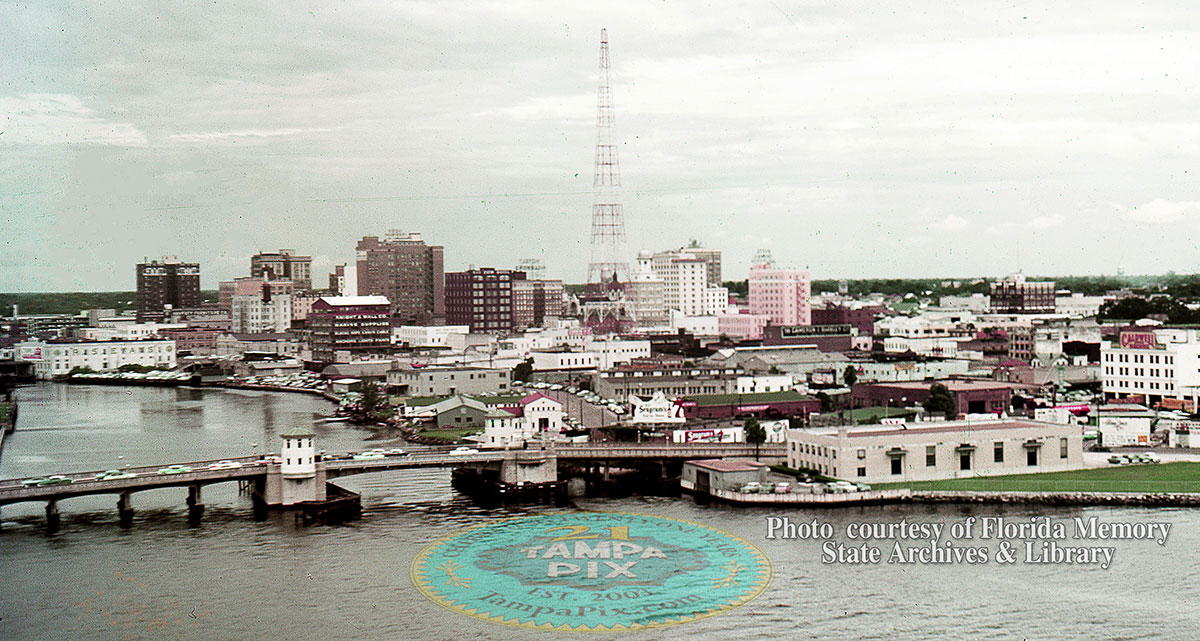
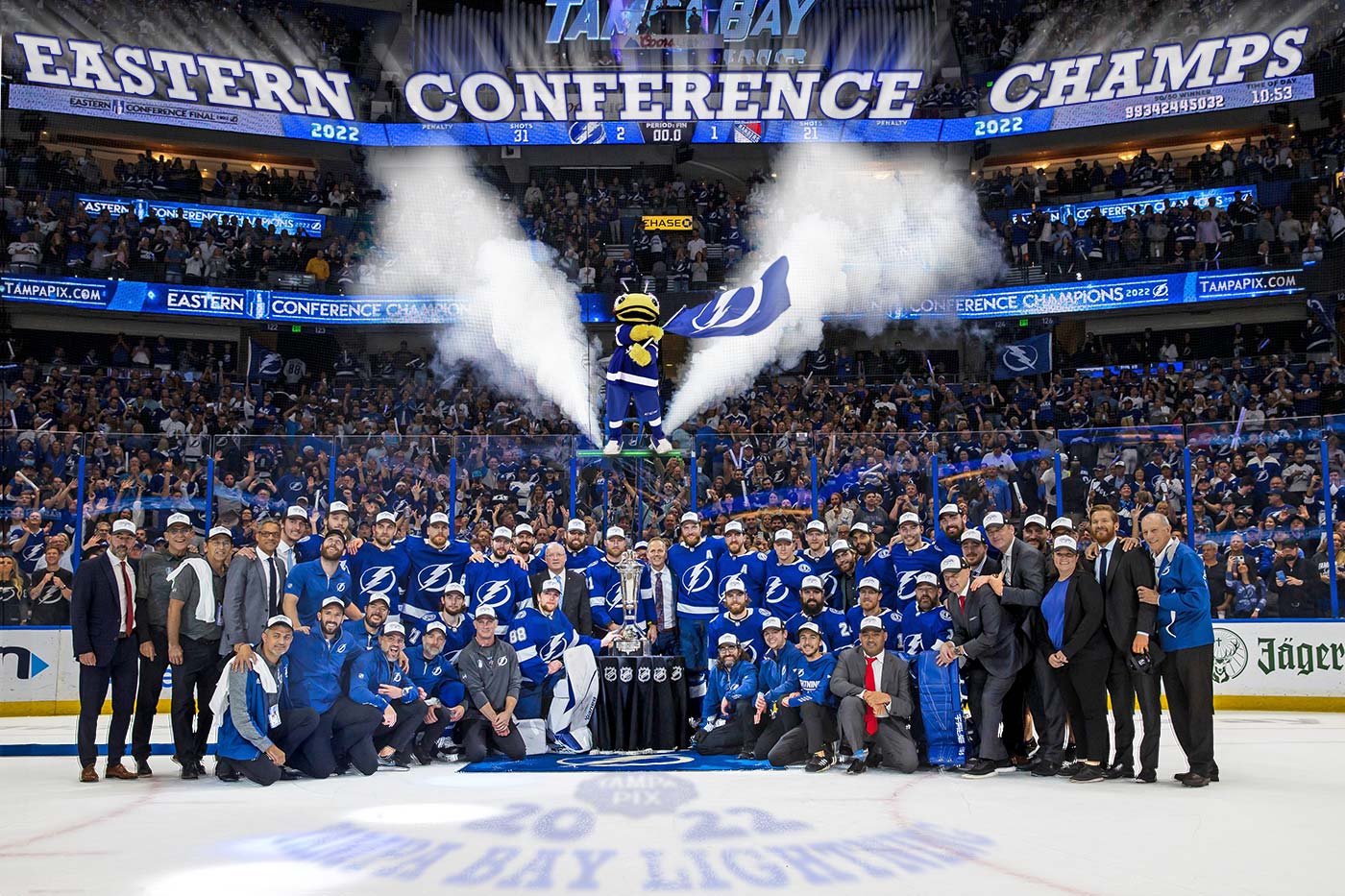
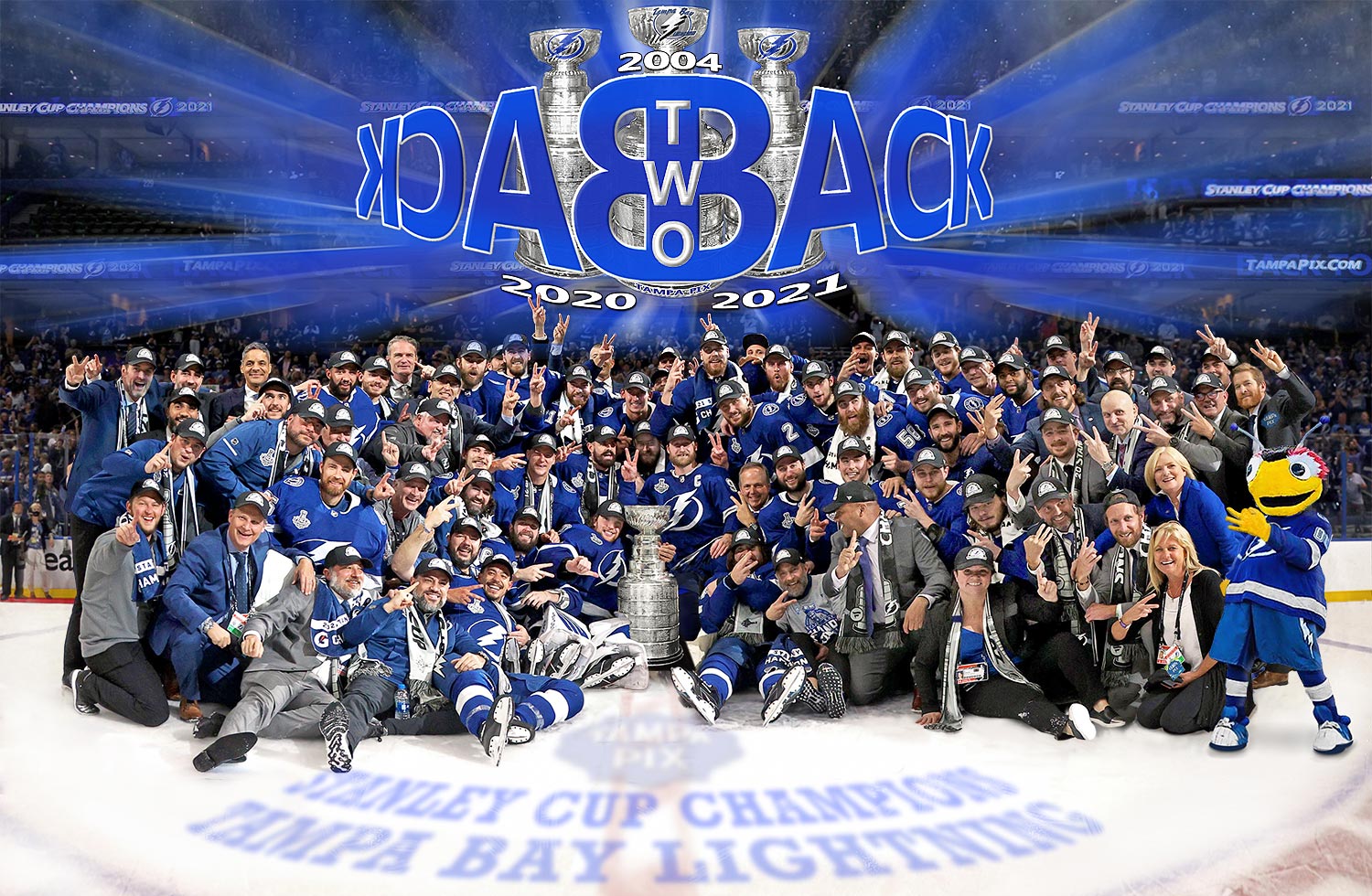

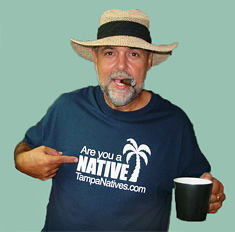 I
REMEMBER TAMPA--SHE REMEMBERS ME
I
REMEMBER TAMPA--SHE REMEMBERS ME

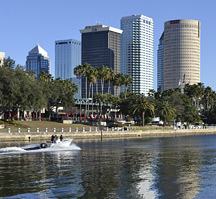 Tampa Pix is on
Facebook as of
Tampa Pix is on
Facebook as of 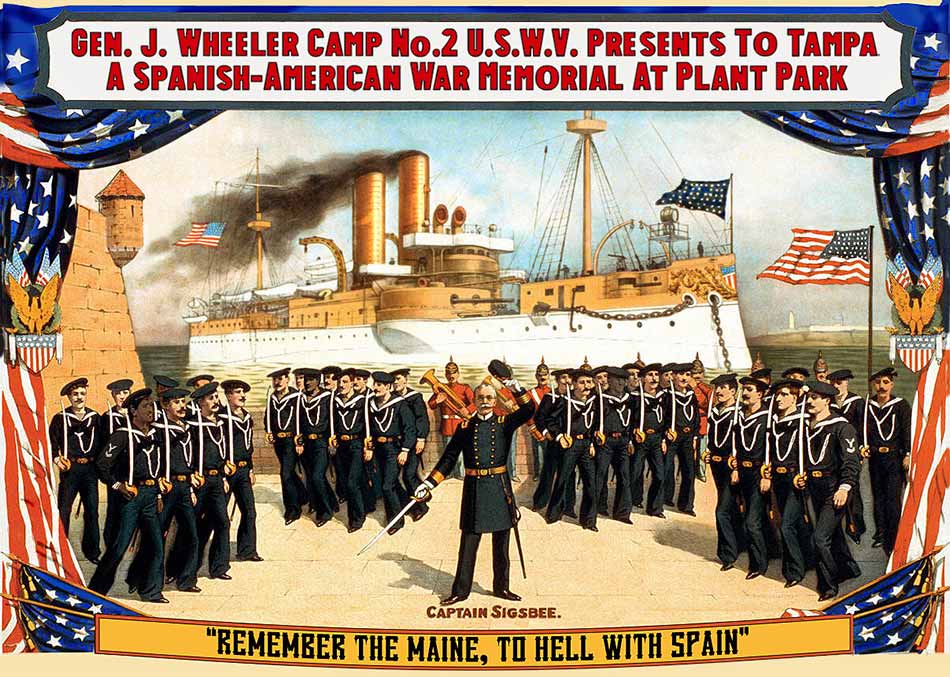
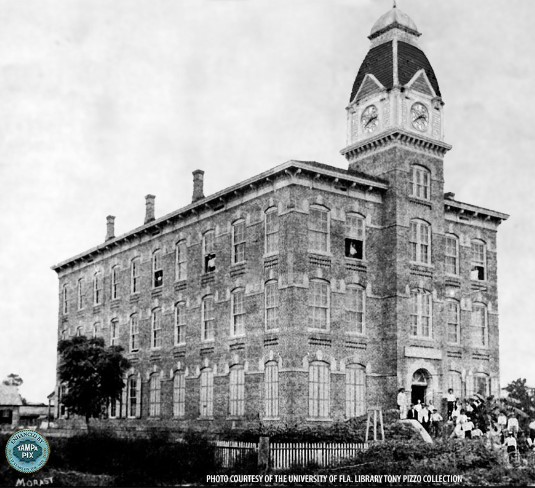
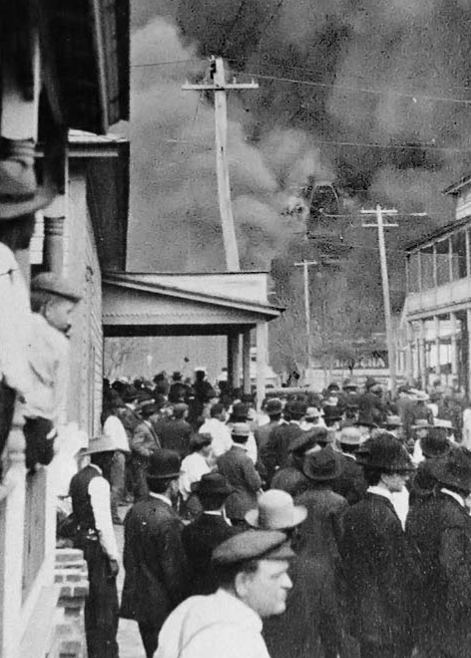










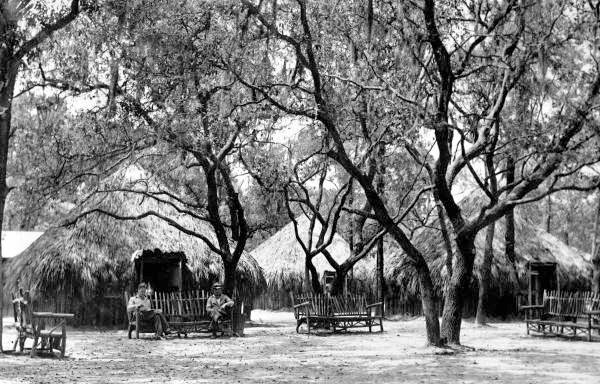


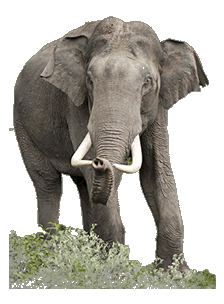
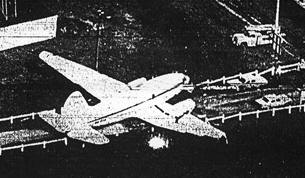 SNAKES ON A
PLANE! -UPDATED- FEB. 20, 2021 WITH MORE
ARTICLES WITH PHOTOS ADDED, INCLUDING PRESENT DAY AERIAL
SHOWING FLIGHT PATH FROM T.I.A. INTO RAYMOND JAMES STADIUM!
SNAKES ON A
PLANE! -UPDATED- FEB. 20, 2021 WITH MORE
ARTICLES WITH PHOTOS ADDED, INCLUDING PRESENT DAY AERIAL
SHOWING FLIGHT PATH FROM T.I.A. INTO RAYMOND JAMES STADIUM!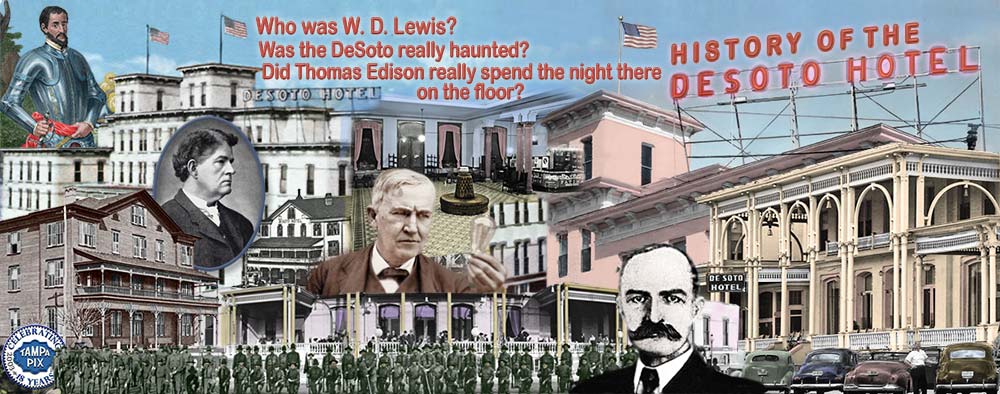
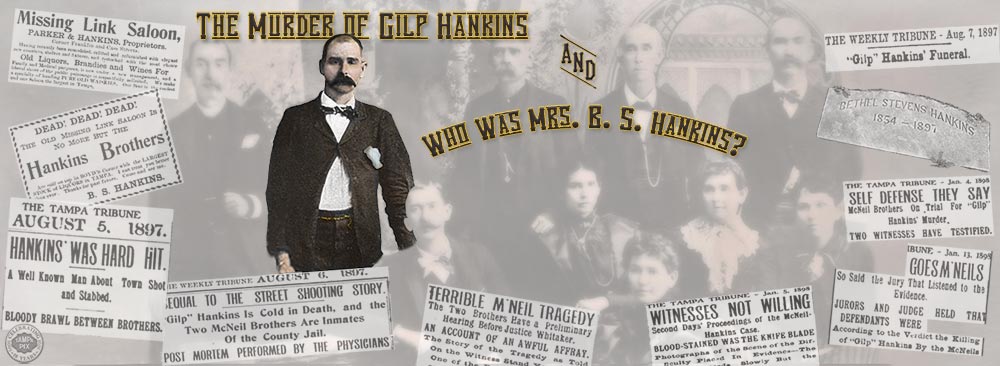
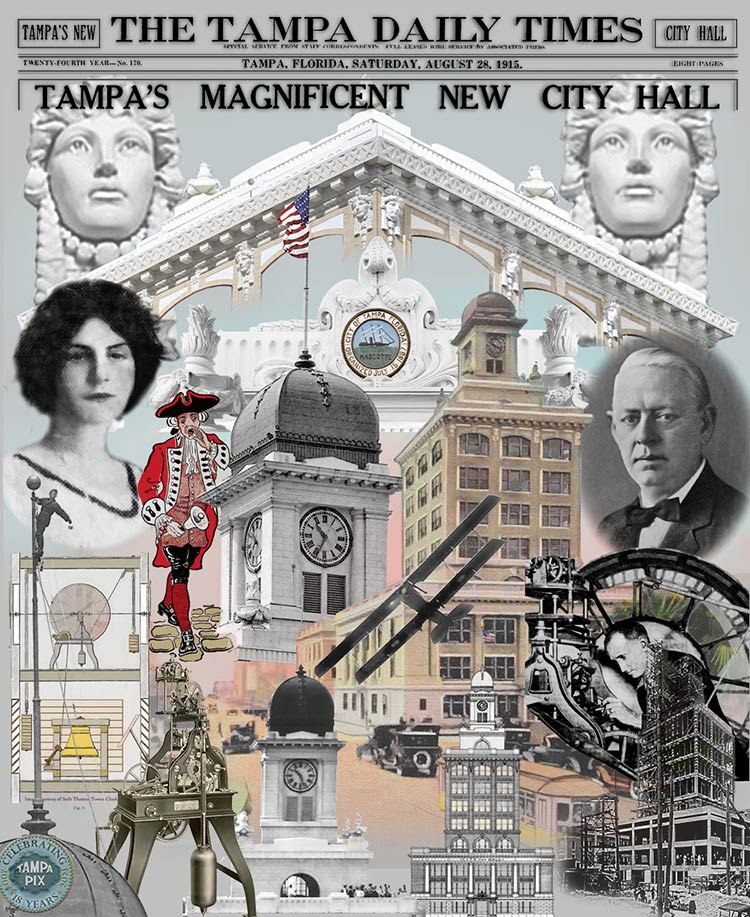
 PLUS
lots of
beautiful
hi-res photos and the history of MORE than just City Hall!
Do NOT miss the many "breakout" pages.
PLUS
lots of
beautiful
hi-res photos and the history of MORE than just City Hall!
Do NOT miss the many "breakout" pages. 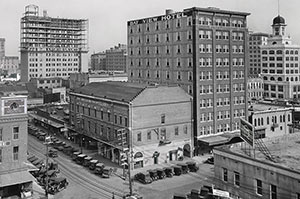 Meet the Freckers, The
Embezzlement Trial of Charlie Frecker, Who was E. M. Greeson
and what happened to his theater?
Meet the Freckers, The
Embezzlement Trial of Charlie Frecker, Who was E. M. Greeson
and what happened to his theater? 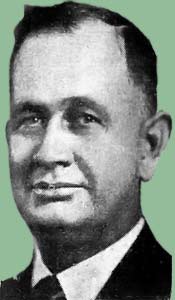
 BUT WHERE DID
STEPHENS GET THE IDEA FOR THE
NAME? WHY GOODY GOODY? TampaPix has the answer, and
this man and his sandwich you see here had a lot to do with it.
BUT WHERE DID
STEPHENS GET THE IDEA FOR THE
NAME? WHY GOODY GOODY? TampaPix has the answer, and
this man and his sandwich you see here had a lot to do with it.
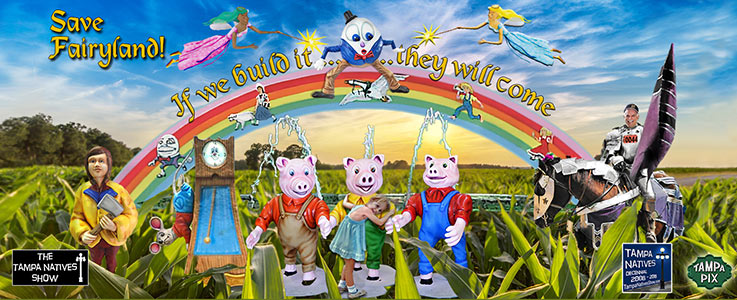
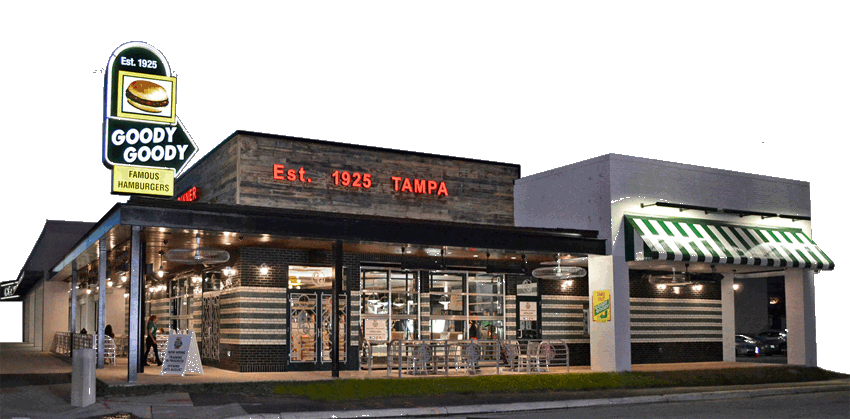

 Don't
miss this MEGA-FEATURE over a year in the making!
Don't
miss this MEGA-FEATURE over a year in the making!  THE
signature event of Magbee's life is probably his passing out drunk
on the sandy streets of Tampa, being covered with molasses and
corn by his enemies, and having his clothes ripped off by the
roaming hogs that feasted on the sweet mixture.
THE
signature event of Magbee's life is probably his passing out drunk
on the sandy streets of Tampa, being covered with molasses and
corn by his enemies, and having his clothes ripped off by the
roaming hogs that feasted on the sweet mixture. 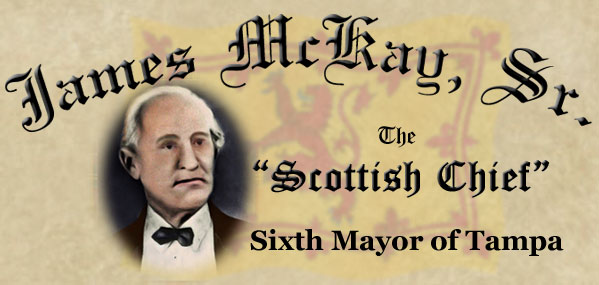
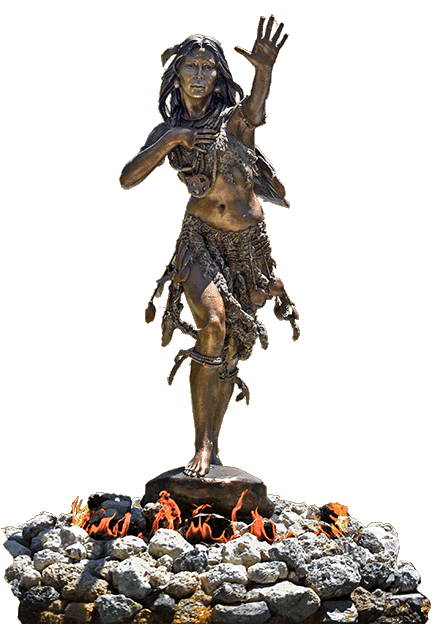
 2017-July
20
2017-July
20


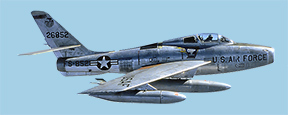
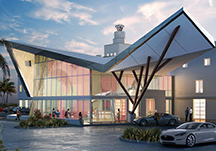
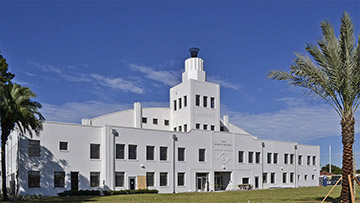

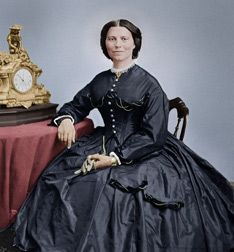
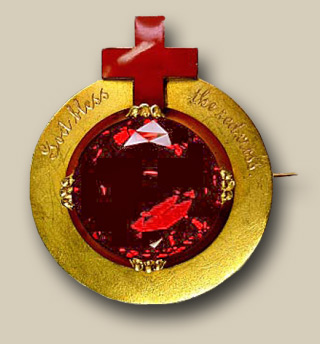
 NEW!
TAMPAPIX EXCLUSIVE!
NEW!
TAMPAPIX EXCLUSIVE!
 "Big
Daddy" Don Garlits, drag racing legend, is a Tampa Native and
Class of 1950 Hillsborough High School graduate. His father
was a Westinghouse engineer credited with designing the first electric iron
and later was a pioneer in health food before it was "in." His mother
was Tampa's "Orchid Lady," a founder of the Tampa Orchid Society. Read about
Don's legendary accomplishments and his roots, here at this new
feature at TampaPix.com.
"Big
Daddy" Don Garlits, drag racing legend, is a Tampa Native and
Class of 1950 Hillsborough High School graduate. His father
was a Westinghouse engineer credited with designing the first electric iron
and later was a pioneer in health food before it was "in." His mother
was Tampa's "Orchid Lady," a founder of the Tampa Orchid Society. Read about
Don's legendary accomplishments and his roots, here at this new
feature at TampaPix.com.
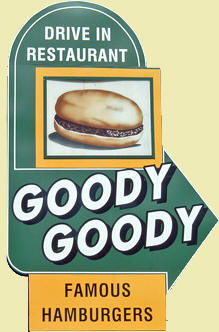
 NEW!
NEW!
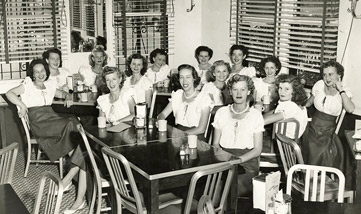 along
with close up portions of various parts of the photo.
along
with close up portions of various parts of the photo.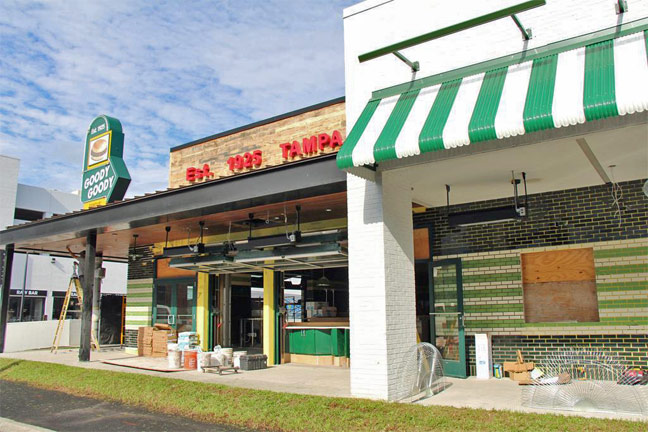
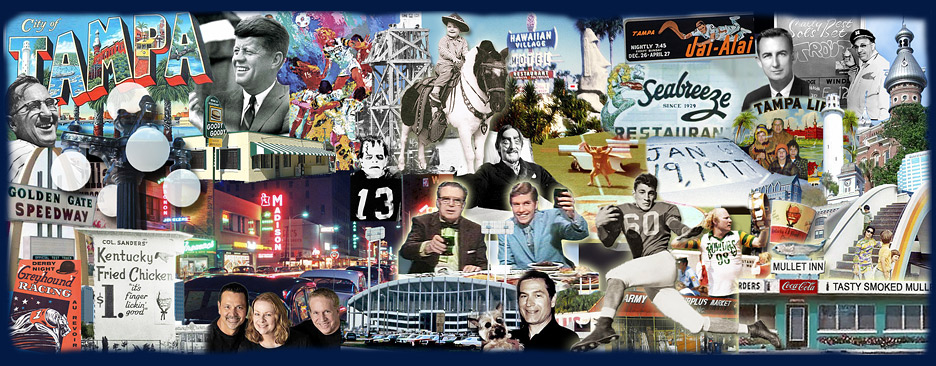
 T
T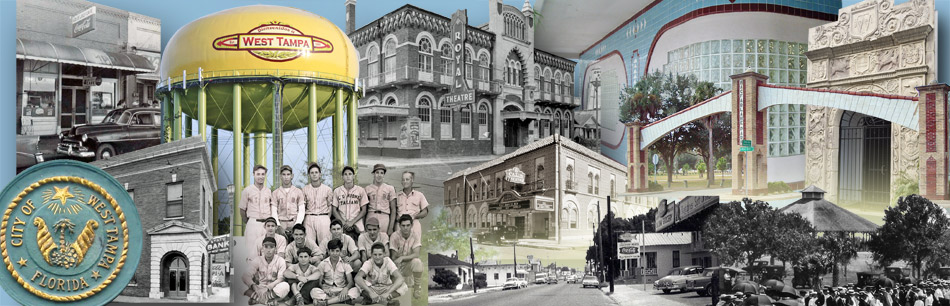

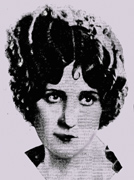 I
PICKED A FINE TIME TO LEAVE YOU LUCILLE...
I
PICKED A FINE TIME TO LEAVE YOU LUCILLE...
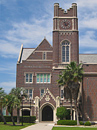
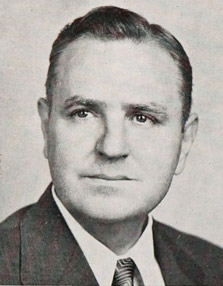
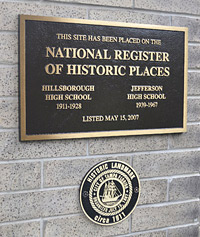
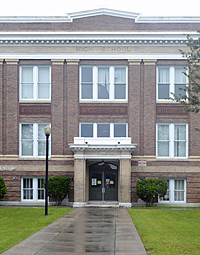
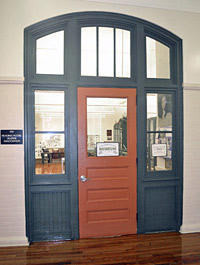
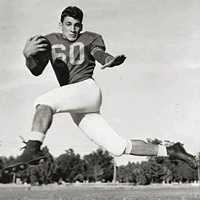

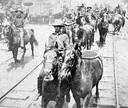


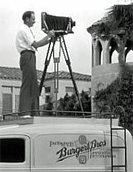
 The
Burgerts were a family of photographers who moved to Florida
from Ohio in the 1880s and established a remarkable record in various phases
of the photography business, primarily in Tampa. They were
six sons and one daughter-in-law of the original photographic
progenitor of the family, Samuel Burgert. Three generations of
Burgert photographers worked productively from around the 1860s until the
1960s and at various times took, sold or marketed supplies for hundreds of
thousands of photographic images. In the
process, they coincidentally documented Tampa's development from a
little more than a scrubby port village to a major urban center of
international importance.
The
Burgerts were a family of photographers who moved to Florida
from Ohio in the 1880s and established a remarkable record in various phases
of the photography business, primarily in Tampa. They were
six sons and one daughter-in-law of the original photographic
progenitor of the family, Samuel Burgert. Three generations of
Burgert photographers worked productively from around the 1860s until the
1960s and at various times took, sold or marketed supplies for hundreds of
thousands of photographic images. In the
process, they coincidentally documented Tampa's development from a
little more than a scrubby port village to a major urban center of
international importance. 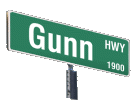
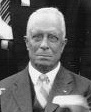 Gunn
Highway was built with convict labor and completed in 1925
from Tampa through Odessa and Elfers to New Port Richey.
The road was maintained by the people who lived along it and
was considered to be one of the finest roads in the state at
the time.
Gunn
Highway was built with convict labor and completed in 1925
from Tampa through Odessa and Elfers to New Port Richey.
The road was maintained by the people who lived along it and
was considered to be one of the finest roads in the state at
the time. 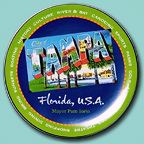
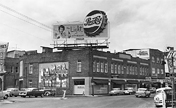 Photos
have been added to Downtown at Tampapix, including a porcelain
plate depicting the iconic "Tampa" mural at Florida Ave. and
Royal St., along with a photo of the same building in 1957 and
one of the artist, Carl Cowden, III.
Photos
have been added to Downtown at Tampapix, including a porcelain
plate depicting the iconic "Tampa" mural at Florida Ave. and
Royal St., along with a photo of the same building in 1957 and
one of the artist, Carl Cowden, III.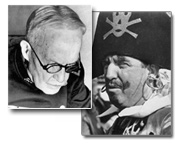 What
does U.S. Army Brigadier General William H. Bisbee have to do
with legendary pirate José Gaspar? They both had a
three-masted schooner named after them, in fact, the same
ship.
What
does U.S. Army Brigadier General William H. Bisbee have to do
with legendary pirate José Gaspar? They both had a
three-masted schooner named after them, in fact, the same
ship.
 A
correction has been made to the photo caption describing the
bronze sculpture of a manatee and its calf at the Lowry Park
Zoo. The feature had incorrectly identified the artist.
A
correction has been made to the photo caption describing the
bronze sculpture of a manatee and its calf at the Lowry Park
Zoo. The feature had incorrectly identified the artist.
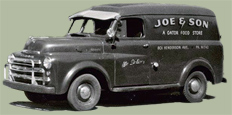
 The Favata family
heritage dates back to the family’s olive
farms in Sicily in the 1800s. They immigrated to America at the turn
of the 20th century and like many other Italian families, headed to the
fast-growing port city of Tampa where a prosperous future awaited them. Giuseppe (Joe) "Pepito" Favata dreamed of having his own market
and raising a family in America. Read about Joe, his family, and his dream
come true, at
The Favata family
heritage dates back to the family’s olive
farms in Sicily in the 1800s. They immigrated to America at the turn
of the 20th century and like many other Italian families, headed to the
fast-growing port city of Tampa where a prosperous future awaited them. Giuseppe (Joe) "Pepito" Favata dreamed of having his own market
and raising a family in America. Read about Joe, his family, and his dream
come true, at 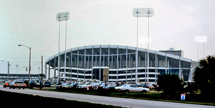
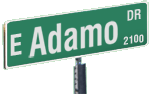 Every
day, thousands of motorists travel Adamo Drive, a busy 7-mile stretch of State
Road 60 between downtown Tampa and South Falkenburg Road in Brandon. Few
remember for whom the street was named; even fewer pronounce the name ah-DAHM-o,
as Dr. Adamo would have. A World War II prisoner of war hailed by Life
Magazine as "Bataan's medical hero," he earned a huge welcome when he finally
came home in 1945. Tampa celebrated Frank Adamo Day with a parade and the
renaming of 1st Ave. in Ybor City in his honor. Adamo's courage and sacrifice
as a prison-camp physician, and the many lives he saved with his innovative
treatment for gangrene, earned him a Legion of Merit medal. See the
newly edited article, including an exclusive portrait of Dr. Adamo,
Every
day, thousands of motorists travel Adamo Drive, a busy 7-mile stretch of State
Road 60 between downtown Tampa and South Falkenburg Road in Brandon. Few
remember for whom the street was named; even fewer pronounce the name ah-DAHM-o,
as Dr. Adamo would have. A World War II prisoner of war hailed by Life
Magazine as "Bataan's medical hero," he earned a huge welcome when he finally
came home in 1945. Tampa celebrated Frank Adamo Day with a parade and the
renaming of 1st Ave. in Ybor City in his honor. Adamo's courage and sacrifice
as a prison-camp physician, and the many lives he saved with his innovative
treatment for gangrene, earned him a Legion of Merit medal. See the
newly edited article, including an exclusive portrait of Dr. Adamo,

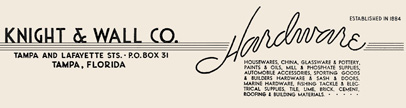



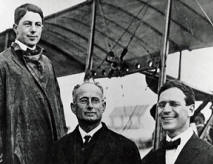
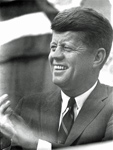
 In
Tampa, the term "Roaring 20s" took on literal meaning when on
Oct. 25, 1921, a major hurricane swept through the Tampa Bay
area causing major destruction from storm surge. Known
as the "Tarpon Springs Hurricane", it caused major property
damage and the loss of 8 lives. 2011 marks the 90th
anniversary of this disaster, and though the area has changed
dramatically in terms of population and development, it still
remains just as vulnerable. Read about this historic
storm and see photos of the damage
In
Tampa, the term "Roaring 20s" took on literal meaning when on
Oct. 25, 1921, a major hurricane swept through the Tampa Bay
area causing major destruction from storm surge. Known
as the "Tarpon Springs Hurricane", it caused major property
damage and the loss of 8 lives. 2011 marks the 90th
anniversary of this disaster, and though the area has changed
dramatically in terms of population and development, it still
remains just as vulnerable. Read about this historic
storm and see photos of the damage
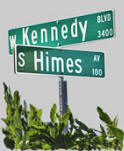
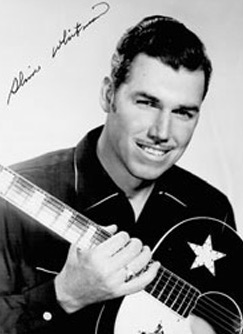 Slim
Whitman was a Tampa native. Ottis Dewey Whitman, Jr.
(January 20, 1923 – June 19, 2013), known professionally as Slim
Whitman, was an American country music and western music
singer/songwriter and instrumentalist known for his yodeling
abilities and his smooth high octave falsetto. He claimed to have
sold in excess of 120 million records.
Slim
Whitman was a Tampa native. Ottis Dewey Whitman, Jr.
(January 20, 1923 – June 19, 2013), known professionally as Slim
Whitman, was an American country music and western music
singer/songwriter and instrumentalist known for his yodeling
abilities and his smooth high octave falsetto. He claimed to have
sold in excess of 120 million records.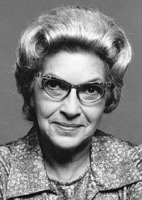
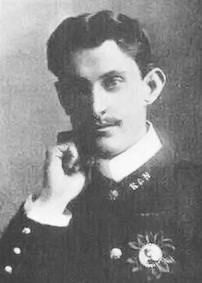
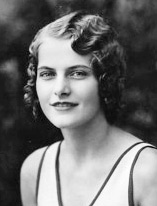
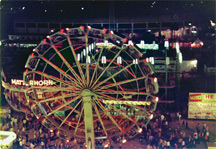 Th
Th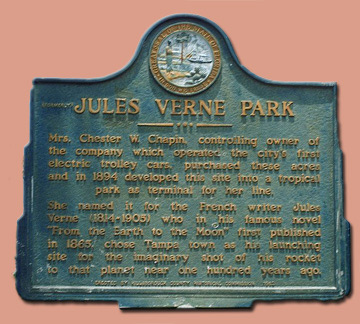
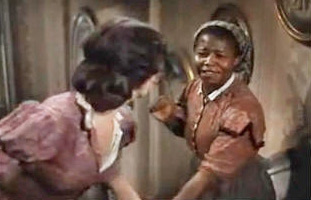
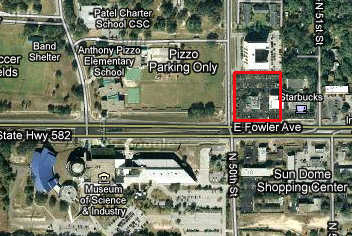


 NEW
- A mall directory showing a list of all the businesses in the
mall around 1998 has been added! Opened
in August of 1976, the Tampa Bay Center mall was Tampa's
unique shopping experience. With its interior bathed in
sunlight, a glass elevator and teeming with live trees, it was
Tampa's first 2-level mall. Read about Tampa Bay Center
mall, see photos and video, all here at
NEW
- A mall directory showing a list of all the businesses in the
mall around 1998 has been added! Opened
in August of 1976, the Tampa Bay Center mall was Tampa's
unique shopping experience. With its interior bathed in
sunlight, a glass elevator and teeming with live trees, it was
Tampa's first 2-level mall. Read about Tampa Bay Center
mall, see photos and video, all here at
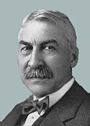
 Brorein
Street and the bridge downtown were named for one of Tampa's
outstanding
businessmen and
citizens who, among holding many leading civic and business
positions, served as president of Tampa's Peninsular Telephone
Company. Peninsular was founded by his uncle in 1901,
who was also one of Tampa's most popular, successful and
outstanding businessmen and citizens. Read about the
Broreins, their contribution to the early development of
Tampa's telephone system, and the Peninsular Telephone
Company, here at the new TampaPix feature,
Brorein
Street and the bridge downtown were named for one of Tampa's
outstanding
businessmen and
citizens who, among holding many leading civic and business
positions, served as president of Tampa's Peninsular Telephone
Company. Peninsular was founded by his uncle in 1901,
who was also one of Tampa's most popular, successful and
outstanding businessmen and citizens. Read about the
Broreins, their contribution to the early development of
Tampa's telephone system, and the Peninsular Telephone
Company, here at the new TampaPix feature,
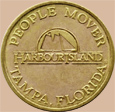
 In 1985, President Gerald Ford hit a golf ball
across Garrison Channel in Tampa. But why?He
also was on board the inaugural ride of the Harbour Island
People Mover,
an automated
guideway transit service that carried visitors between downtown Tampa and Harbour Island across the Garrison
Channel from 1985 to 1999. Read about the People Mover, the birth of
Harbour Island, and the early history of the Hillsborough Bay
grassy islands that became Seddon Island and later, Harbour
Island.
In 1985, President Gerald Ford hit a golf ball
across Garrison Channel in Tampa. But why?He
also was on board the inaugural ride of the Harbour Island
People Mover,
an automated
guideway transit service that carried visitors between downtown Tampa and Harbour Island across the Garrison
Channel from 1985 to 1999. Read about the People Mover, the birth of
Harbour Island, and the early history of the Hillsborough Bay
grassy islands that became Seddon Island and later, Harbour
Island.
 Two photos have been added to Maas Brothers History at
TampaPix. A family portrait of Henrietta Maas Waterman,
sister of Abe & Isaac Maas, which shows her husband and
children, including son Jerome Waterman. Also a photo of
Jerome in 1965.
Two photos have been added to Maas Brothers History at
TampaPix. A family portrait of Henrietta Maas Waterman,
sister of Abe & Isaac Maas, which shows her husband and
children, including son Jerome Waterman. Also a photo of
Jerome in 1965.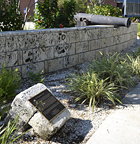
 The name
of Fortune Street downtown conjures up images of boom-time
prosperity, with business owners making a fortune in profits, but
this isn't why this street and the bridge, once named the Laurel
Street bridge, were named. See the newly updated feature
about Fortune Street and the bridge, with new photos, scenes from
the 2004 film "The Punisher" shot on this bridge, and more,
The name
of Fortune Street downtown conjures up images of boom-time
prosperity, with business owners making a fortune in profits, but
this isn't why this street and the bridge, once named the Laurel
Street bridge, were named. See the newly updated feature
about Fortune Street and the bridge, with new photos, scenes from
the 2004 film "The Punisher" shot on this bridge, and more,
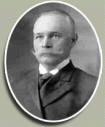
 The
Cinchett Neon Sign company operated in Tampa for 50
years. New at TampaPix--Read about Frank & John F. Cinchett's legacy in Tampa and see 2
newly discovered photos of John F. Cinchett's last neon sign.
The
Cinchett Neon Sign company operated in Tampa for 50
years. New at TampaPix--Read about Frank & John F. Cinchett's legacy in Tampa and see 2
newly discovered photos of John F. Cinchett's last neon sign.
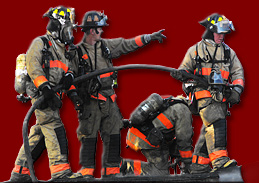
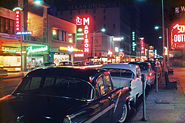 Tampa
in the 1950s, in LIVING COLOR
with the sounds of the 50s!
Tampa
in the 1950s, in LIVING COLOR
with the sounds of the 50s!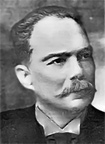
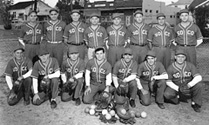
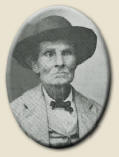
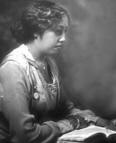
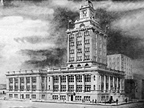 See interior photos added Oct. 6, 2010
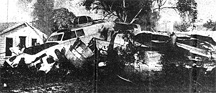 Shortly before 7 a.m. on May 19, 1944, a four-engine
B-17 bomber crashed on Abdella Street in West Tampa just
east of Drew Field, the giant wartime base where
today's Tampa International Airport is located.
Shortly before 7 a.m. on May 19, 1944, a four-engine
B-17 bomber crashed on Abdella Street in West Tampa just
east of Drew Field, the giant wartime base where
today's Tampa International Airport is located.
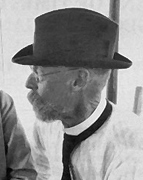 George
Sheppard "Dad" Gandy was one of those fellows who laughed at the
word “impossible.” He has a long list of achievements to his credit
and many of those achievements represent the completion of ideas
which once were branded as absurd. The original Gandy Bridge was the
work of a dreamer--unquestionably. Only a dreamer of the most
pronounced type could have conceived such a project and only a
dreamer could have believed that it would some day be completed.
But there was nothing dream-like about the struggle which Gandy had
to make his dream materialize.
George
Sheppard "Dad" Gandy was one of those fellows who laughed at the
word “impossible.” He has a long list of achievements to his credit
and many of those achievements represent the completion of ideas
which once were branded as absurd. The original Gandy Bridge was the
work of a dreamer--unquestionably. Only a dreamer of the most
pronounced type could have conceived such a project and only a
dreamer could have believed that it would some day be completed.
But there was nothing dream-like about the struggle which Gandy had
to make his dream materialize.
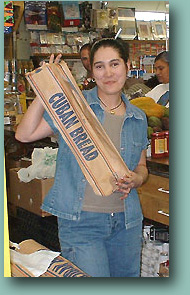 Ask
ten people what goes
into making an exceptional Cuban Sandwich and you'll likely
get ten different responses that vary in ingredients,
preparation and appearance. The debate can get as hot as the
bread just out of the oven--not just over the ingredients, but
even on the order they're stacked, the cut and pressing.
It may depend on your interpretation of "Cuban"--traditional as it was in Cuba, or how Tampa/Ybor City's rich
ethnic mix caused it to evolve early on. Either way,
there's not much variation in the recipe and preparation.
Ask
ten people what goes
into making an exceptional Cuban Sandwich and you'll likely
get ten different responses that vary in ingredients,
preparation and appearance. The debate can get as hot as the
bread just out of the oven--not just over the ingredients, but
even on the order they're stacked, the cut and pressing.
It may depend on your interpretation of "Cuban"--traditional as it was in Cuba, or how Tampa/Ybor City's rich
ethnic mix caused it to evolve early on. Either way,
there's not much variation in the recipe and preparation.
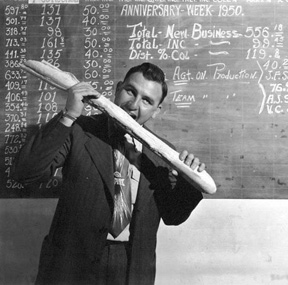
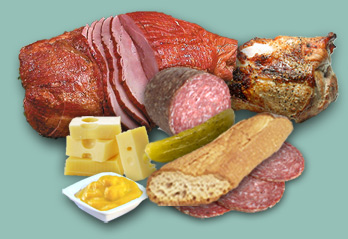
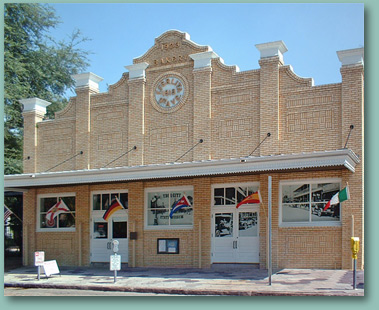 When assembled, the sandwich can be toasted in a sandwich
press called a plancha, which is similar to a panini
press but without grooved surfaces. The plancha both heats and
compresses the sandwich, which remains in the press until the
bread surface is slightly crispy and the cheese is melted.
It is usually cut into diagonal halves before serving.
When assembled, the sandwich can be toasted in a sandwich
press called a plancha, which is similar to a panini
press but without grooved surfaces. The plancha both heats and
compresses the sandwich, which remains in the press until the
bread surface is slightly crispy and the cheese is melted.
It is usually cut into diagonal halves before serving.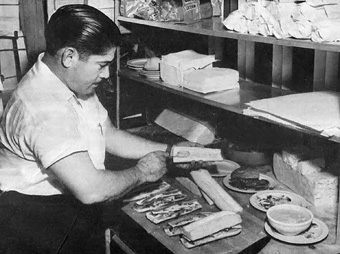 Long-time
restaurant worker Manuel
Torres making Cuban sandwiches the old fashioned way, 1957
Long-time
restaurant worker Manuel
Torres making Cuban sandwiches the old fashioned way, 1957
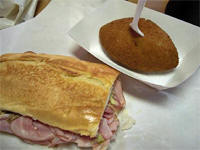

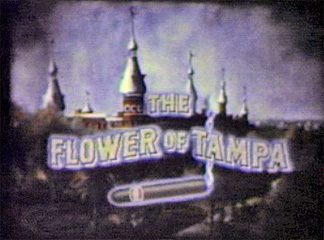
 Three
Franklin St businesses in 1924 bit the dust to make way for the
South's most beautiful theatre. See photos of these
businesses, the clearing of the property and construction of the
Tampa Theatre from 1924 to 1926 at
Three
Franklin St businesses in 1924 bit the dust to make way for the
South's most beautiful theatre. See photos of these
businesses, the clearing of the property and construction of the
Tampa Theatre from 1924 to 1926 at
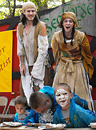 New
video of Bay Area Renaissance Festival
New
video of Bay Area Renaissance Festival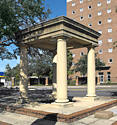
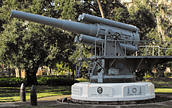
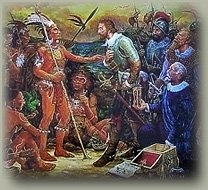 In
1521 Juan Ponce de Leon was the first European to discover present
day Tampa Bay. De Leon was allegedly slain in this area by the
Calusa Indians “as a response to information they received of
Spanish mistreatment of Indians (Calusa and Caribe) in Cuba”. De
Leon’s body was first taken to Europe and now resides in the
cathedral of St. John the Baptist in San Juan, Puerto Rico.
In
1521 Juan Ponce de Leon was the first European to discover present
day Tampa Bay. De Leon was allegedly slain in this area by the
Calusa Indians “as a response to information they received of
Spanish mistreatment of Indians (Calusa and Caribe) in Cuba”. De
Leon’s body was first taken to Europe and now resides in the
cathedral of St. John the Baptist in San Juan, Puerto Rico.
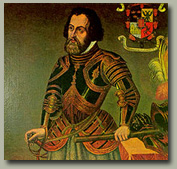 Panfilio de Narvaez landed in
the Tampa
Bay area on Good Friday, April 1528, with the intention of starting a
colony. He declared it “the best port in the world.” After
being told by the natives of better riches to the north, Narvaez
immediately got into an argument with a local Indian chief who in
turn sliced off Narvaez’s nose and chased him out of the area.
They abandoned their camp after only a week. A dozen years later, a
surviving member of the expedition named Juan Ortiz was rescued by
Hernando de Soto's expedition.
Panfilio de Narvaez landed in
the Tampa
Bay area on Good Friday, April 1528, with the intention of starting a
colony. He declared it “the best port in the world.” After
being told by the natives of better riches to the north, Narvaez
immediately got into an argument with a local Indian chief who in
turn sliced off Narvaez’s nose and chased him out of the area.
They abandoned their camp after only a week. A dozen years later, a
surviving member of the expedition named Juan Ortiz was rescued by
Hernando de Soto's expedition.
 Hernando de Soto
arrived in the area on May 25, 1539, calling Tampa Bay “La Bahia Del
Espiritu Santo” (the Bay of the Holy Spirit) and met with native Indians
under the Charter Oak (or De Soto Oak) near present day Plant Park
at the University of Tampa. A peace treaty was conducted with
the local Tocobaga Indians, and a short-lived Spanish outpost was
established. However, this was abandoned when it became clear that
there was no gold in the area, that the local Indians were not
interested in converting to Catholicism, and that they were too
skilled as warriors to easily conquer. The Tampa area would be
effectively ignored by its colonial owners for the next 200+ years.
Hernando de Soto
arrived in the area on May 25, 1539, calling Tampa Bay “La Bahia Del
Espiritu Santo” (the Bay of the Holy Spirit) and met with native Indians
under the Charter Oak (or De Soto Oak) near present day Plant Park
at the University of Tampa. A peace treaty was conducted with
the local Tocobaga Indians, and a short-lived Spanish outpost was
established. However, this was abandoned when it became clear that
there was no gold in the area, that the local Indians were not
interested in converting to Catholicism, and that they were too
skilled as warriors to easily conquer. The Tampa area would be
effectively ignored by its colonial owners for the next 200+ years.
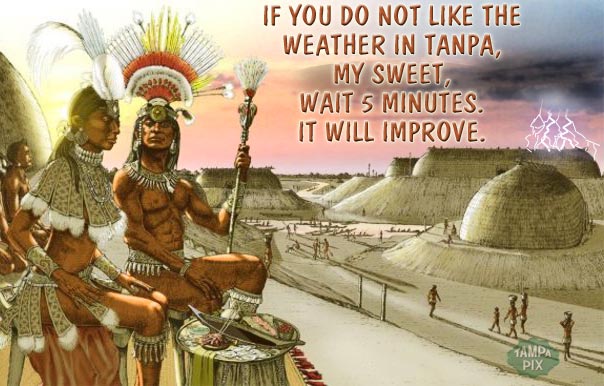
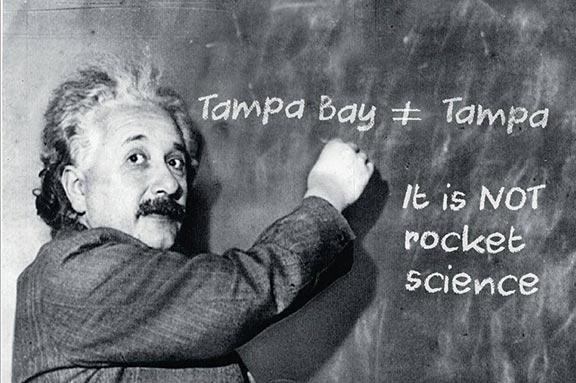
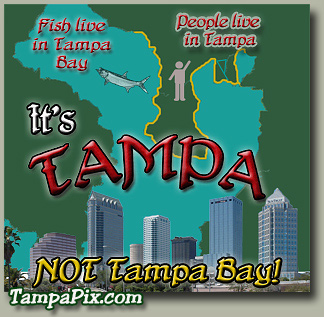


 Hillsborough
County
Hillsborough
County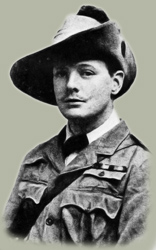 Recognize this dashing
young man? After the outbreak of the Cuban
Revolution in 1895, Tampa served as the
crossroads for journalists en route to the
Caribbean to cover the brutality. This
21-year-old requested to cover the war, in his
words, "to seek professional experience at the
seat of a war." His Dec 14, 1895 article
describing the revolution, datelined "Tampa,"
appeared in London's "Daily Graphic." Written by
the young journalist pictured here, a lieutenant
in the Queen's Fourth Hussars, none other than
THE Winston Churchill.
Recognize this dashing
young man? After the outbreak of the Cuban
Revolution in 1895, Tampa served as the
crossroads for journalists en route to the
Caribbean to cover the brutality. This
21-year-old requested to cover the war, in his
words, "to seek professional experience at the
seat of a war." His Dec 14, 1895 article
describing the revolution, datelined "Tampa,"
appeared in London's "Daily Graphic." Written by
the young journalist pictured here, a lieutenant
in the Queen's Fourth Hussars, none other than
THE Winston Churchill.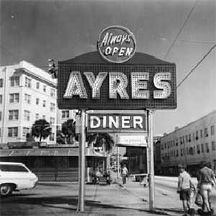

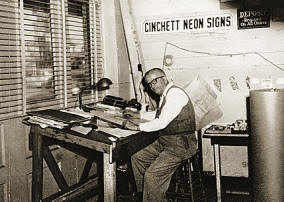
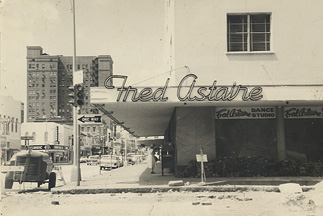
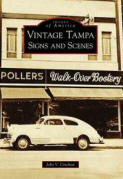 John
V. Cinchett's passion for the 1950s and his love of commercial
neon art finally came together. Compiling and organizing
rare old photos of Tampa, he authored
John
V. Cinchett's passion for the 1950s and his love of commercial
neon art finally came together. Compiling and organizing
rare old photos of Tampa, he authored

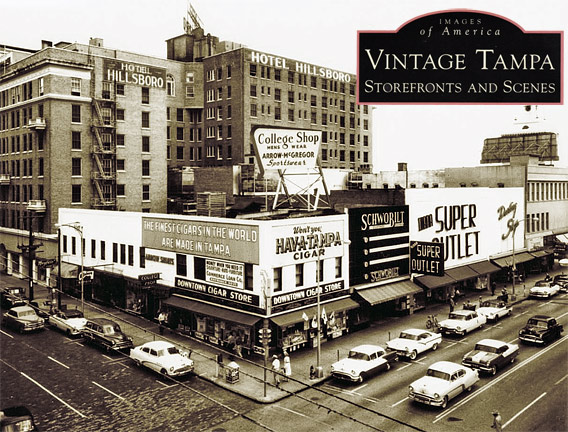
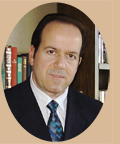 Johnny
Cinchett has done it again. The author of "Vintage Tampa
Signs & Scenes" has come out with another vintage Tampa book;
"Vintage Tampa Storefronts and Scenes."
Johnny
Cinchett has done it again. The author of "Vintage Tampa
Signs & Scenes" has come out with another vintage Tampa book;
"Vintage Tampa Storefronts and Scenes."

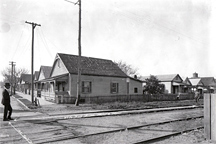 Tampa has come a long way in 100 years, and Tampa Native
Bryan Weinstein has a creative
and interesting method of sharing this fact. Bryan has
created a website using "Re-photography."
Tampa has come a long way in 100 years, and Tampa Native
Bryan Weinstein has a creative
and interesting method of sharing this fact. Bryan has
created a website using "Re-photography."
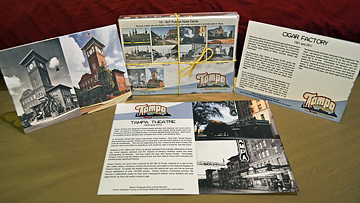 On his site,
Bryan has
exhibited various sights of Tampa. Each location has two
photographs, a historical photograph, taken up to one hundred
years ago, and the re-photograph, taken within the last couple
of years.
On his site,
Bryan has
exhibited various sights of Tampa. Each location has two
photographs, a historical photograph, taken up to one hundred
years ago, and the re-photograph, taken within the last couple
of years.