|
|
|||||||||||||||||||||||||||
|
|
|||||||||||||||||||||||||||
|
Read about the history of the Thunderbirds: |
|||||||||||||||||||||||||||
|
MacDill AFB
Beginnings
In 1938, a representative of the Army Air Corps came to Tampa to speak with city officials about the possibility of holding air maneuvers in the area. Major “Pinky” Craig, who retired as an Air Force Lieutenant General, discussed the desired air exercises with then Tampa Mayor Robert E. Lee Chancey, who informed Major Craig that the city was in no financial shape to bear the expenses of these maneuvers. Prior to the talks with the Mayor, two Army Air Corps officers – Melvin Asp and Charles Skaw – had suggested that Major Craig contact Jerry Waterman if he encountered any difficulties in holding the maneuvers around Tampa. Waterman (of the Maas brothers family) was chairman of the Tampa Chamber of Commerce Aviation Committee and an aviation enthusiast who could prove helpful in the air exercise discussions. As it turned out, Jerry Waterman’s intercession overcame all the obstacles.
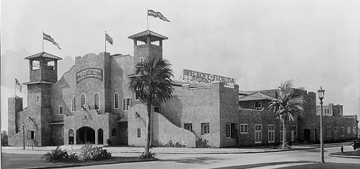
Securing living quarters for the 50 officers and 200 to 300 enlisted personnel and facilities for the aircraft was a top priority for holding the maneuvers in Tampa. To accommodate the officers, Hudson Manor Hotel on Davis Island, which had just closed after its winter season, agreed to rent fifty rooms in the hotel for thirty days or longer at the rate of one dollar a day per person. Next, Jerry Waterman convinced Harry Warner of the Davis Island Coliseum to rent the facility for the use of the enlisted contingent, at a rate of five hundred dollars for thirty days. Satisfied with the arrangements for both men and machines, Major Craig returned to Washington, D.C., to make his report. After proper funding was achieved, the maneuvers were held. Peter O. Knight and Drew fields served as the designated bases for the thirty-three aircraft, largely P-35 and P-36 fighters, that participated in the air exercises from March 14 to 29, 1938. There were other aircraft, bombers and fighters, dispersed at airfields in Lakeland, Sarasota and Orlando. Jacksonville was the main site for the “friendly” forces, while Tampa was an “enemy” location. The grand finale was a full-scale attack on the defending forces at Jacksonville by the aggressors. In January 1939, a federal board was appointed by the War Department to screen locations for six new airfields, including one in the southeast. Florida was selected as the site for a southeastern base. At first, the Army seemed to favor Arcadia, where a large air base had been located during World War I. For some time, the Tampa Chamber of Commerce worked in Arcadia’s behalf, the officials believing that anything which helped South Florida would help Tampa. During the 1939 maneuvers in Tampa, which had headquartered at the Palmerin Hotel on Davis Islands, top army airmen secretly advised several Tampa men that they had no idea of recommending Arcadia. They said they had no desire to be based in such a desolate region. They suggested Tampa should get busy and try to get the base itself, instead of plugging for some other locality. That suggestion started fireworks. From that point on, Tampa worked for the base as had never before worked for anything. A committee of Tampa’s leading citizens was named to pull the necessary strings—and the strings were pulled unceasingly.
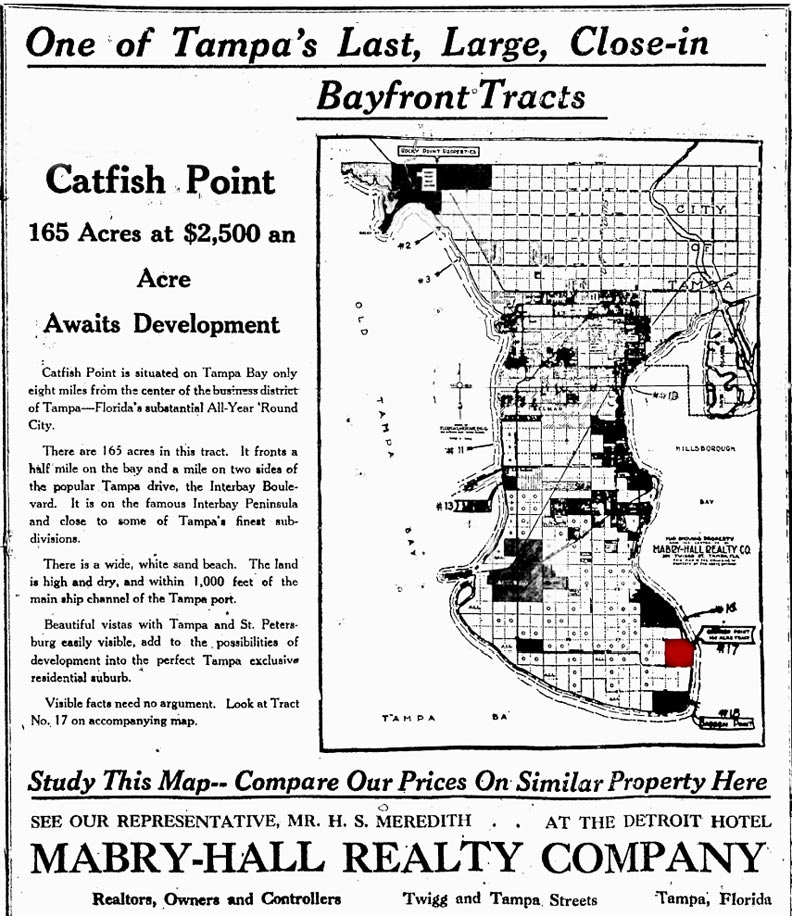
Mar. 8, 1925 newspaper ad for property on Catfish Point - Tract 17 referred to in the ad has been marked in red. "Mabry" was Milton Mabry, Jr., brother of Dale Mabry.
During the 1938 Army Air Corps maneuvers, the pilots had been impressed with the flat, sandy, snake-ridden stretch of land on Tampa’s Interbay peninsula called Catfish Point. It was far enough from the city that no one complained of the aircraft noise. Also the base would be strategically located near the Caribbean and would have nearly year-round good flying weather. Then on July 14, 1939, the momentous announcement was made that Gen. Thomas Handy, who had been conferring with the Tampa committee for weeks, had decided that the base should be located at the lower end of Interbay Peninsula, known as Catfish Point. Members of the committee which had succeeded in getting the base for Tampa were: W. Howard Frankland, Frank Gannon, George Howell, Ambler Liggett, Joseph Sweeney, E. P. Taliaferro, M. M. Frost, Pat Whitaker, Leslie Blank, A. B. McMullen, Howell Lykes, Jerome Waterman, D. Hoyt Woodbery, Robert Clinton, Francis Judd, G. Dave Curtis, T. N. Henderson and Henry Tillman. Once the Tampa site had been chosen in April 1939, it was named the Southeast Air Base, and the Army took possession of Catfish Point on May 24, 1939. To show support for building the base in Tampa, city and Hillsborough County officials promised to acquire 3,500 acres of land as a donation to the federal project, while 2,900 acres were to be purchased by the War Department. Congress appropriated $3,173,000 in June to build the field, leading to the official announcement in the press on July 15, 1939. Local property owners in the vicinity of Catfish Point immediately inflated their land values, prompting the government to condemn the 298 parcels needed after an appraisal. This changed the scenario originally established between federal, city and county officials. Instead of land, city and county officials pledged $97,000 for the airbase.I Initial clearance of the brush and swampland began on November 28, 1939, when the Works Progress Administration (WPA) assigned 100 men to clear the nearly 5,800 acres. Colonel Leslie MacDill
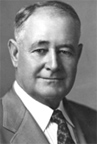
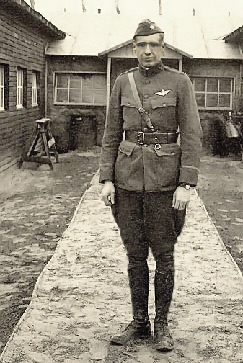
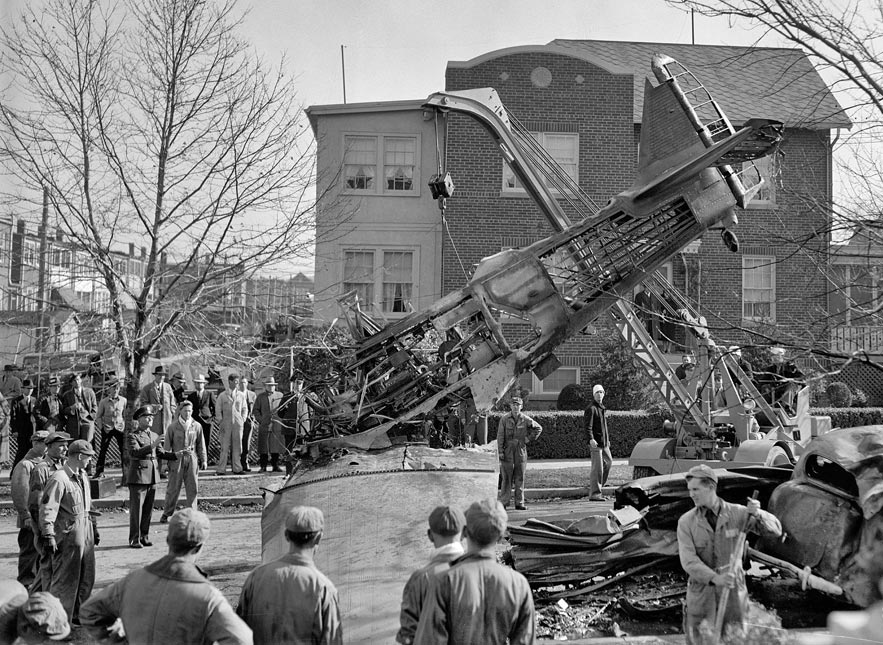
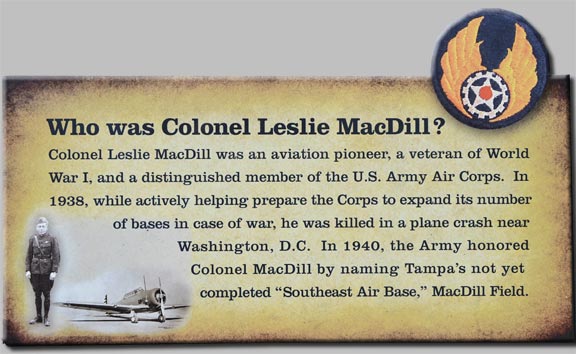
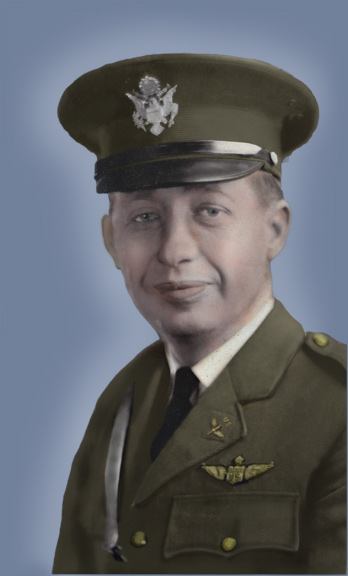
Almost simultaneously with the onset of work on the airfield, Secretary of War Harry H. Woodring announced a change of name for the future base on November 30, 1939. It was to be named after Lt. Colonel Leslie MacDill, who had died test-flying a BC-1 aircraft, along with the mechanic, Private Joseph Gloxner, in a crash on the outskirts of Washington, D.C., on November 9, 1938. MacDill had been a very popular figure with the Air Staff. He was a graduate of Hanover College, Indiana University and the Army War College. Col. MacDill was first commissioned a second lieutenant, Coast Artillery Corps, in 1912. By time of the World War he had been promoted to captain of Air Corps. During World War 1 he organized and was made commander of an Aerial Gunnery Training School at St. Jean de Monte, France. In 1920 he graduated from Massachusetts Institute of Technology where he earned a Doctor of Science degree in aeronautical engineering. He held several commands until 1930 when he came to Washington in the Plans Division, Office of Chief of Air Corps. MacDill was a rising star in the Army Air Corps when he suffered the fatal accident at age forty-eight. He left behind his wife, Mrs. Marilla Augusta MacDill, and two daughters, Katherine Rose, 14, and Rose, 11.
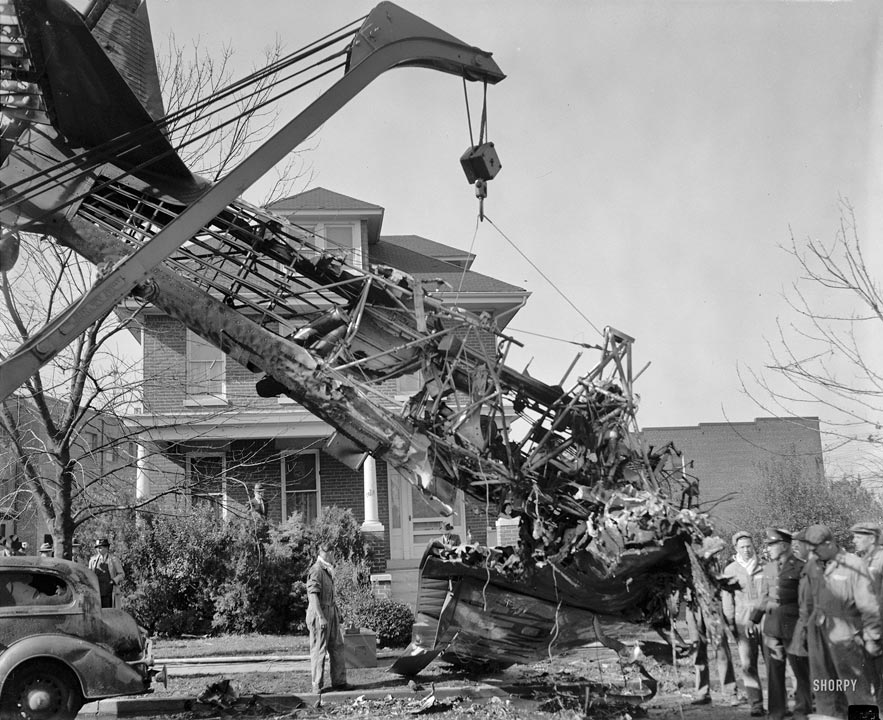
Nov. 9, 1938. Washington, D.C. "Two killed in Army plane crash. Two U.S. Army fliers -- Lieut. Col. Leslie MacDill, General Staff Corps Officer, and Private Joseph G. Gloxner, were burned to death today in the worst aerial tragedy in the history of the Capital when their plane crashed in the street in Anacostia, a short distance from Bolling Field. Three automobiles were wrecked in the crash. Col. MacDill was piloting the plane." Harris & Ewing Collection glass negative. Photo from Shorpy
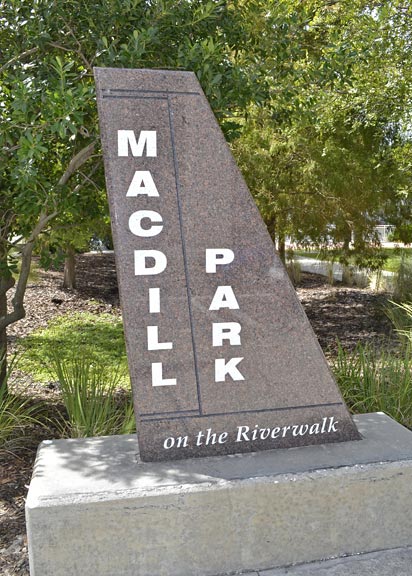
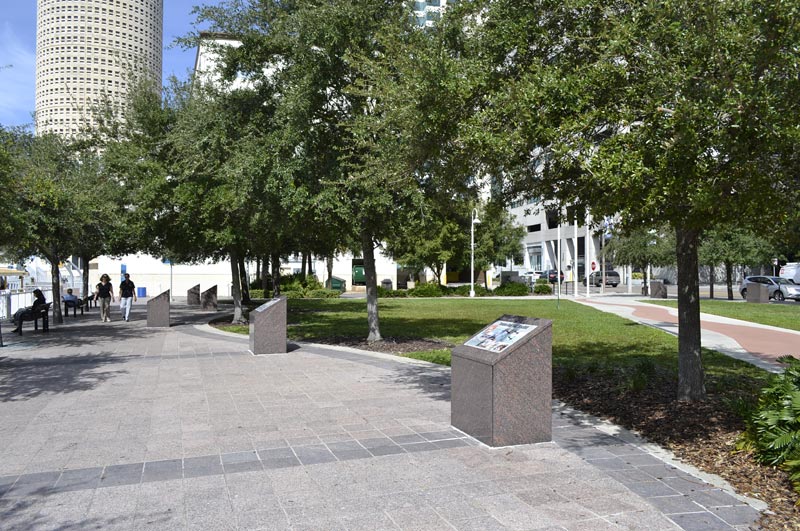
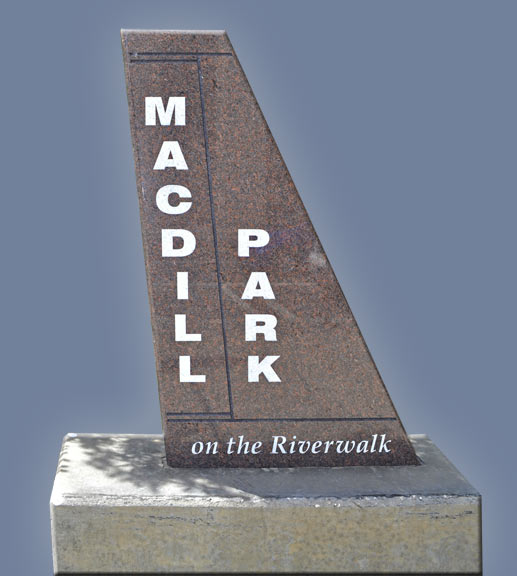
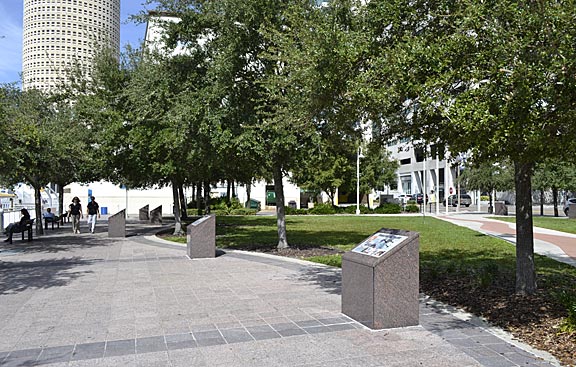
MacDill Park on the Riverwalk, downtown Tampa, Oct. 25, 2016
|
|||||||||||||||||||||||||||
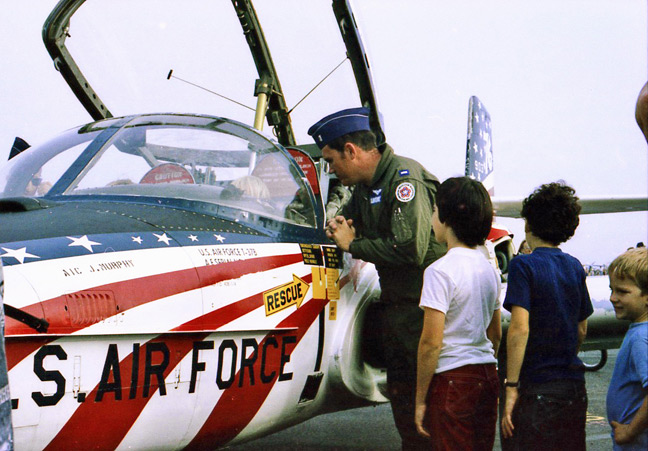 MacDill
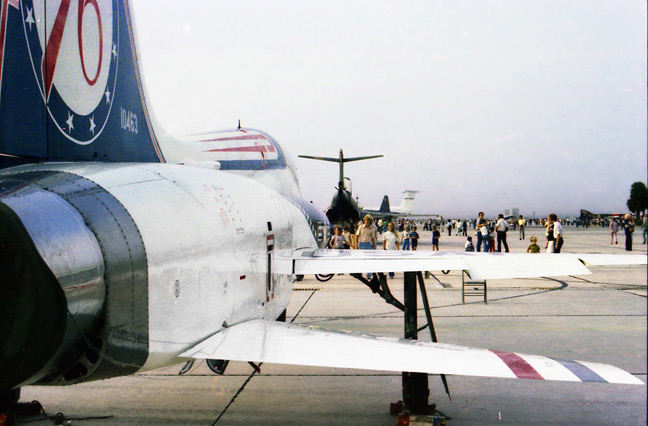
AFB 1976 Air Show MacDill
AFB 1976 Air ShowAir Force T-37 "Tweet" The Cessna T-37 Tweet (designated Model 318 by Cessna) is a small, economical twin-engine jet trainer-attack type aircraft which flew for decades as a primary trainer for the United States Air Force and in the air forces of several other nations. The A-37 Dragonfly variant served in the light attack role during the Vietnam War and continues to serve in the air forces of several South American nations. |
|||||||||||||||||||||||||||
|
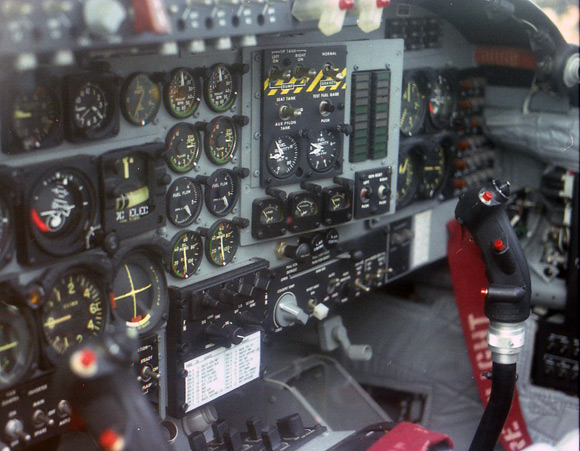
T-37 Tweet cockpit |
|||||||||||||||||||||||||||
|
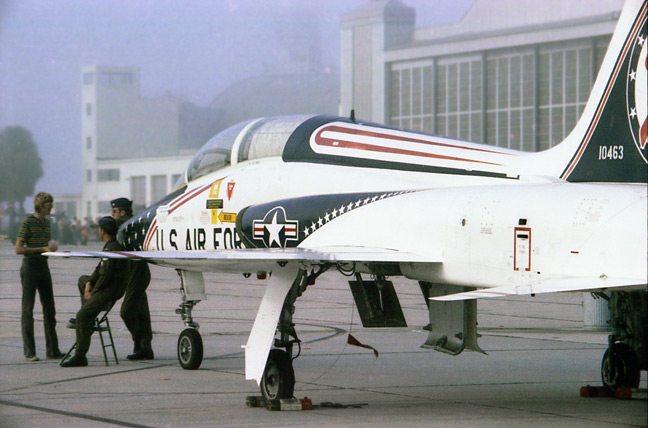
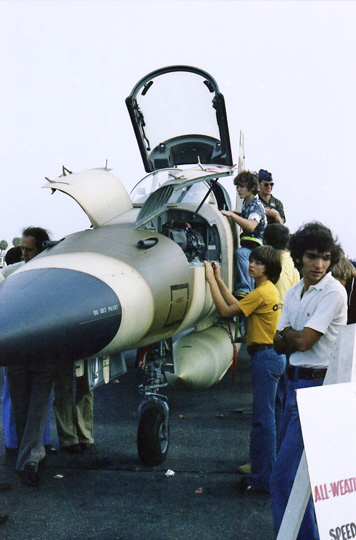
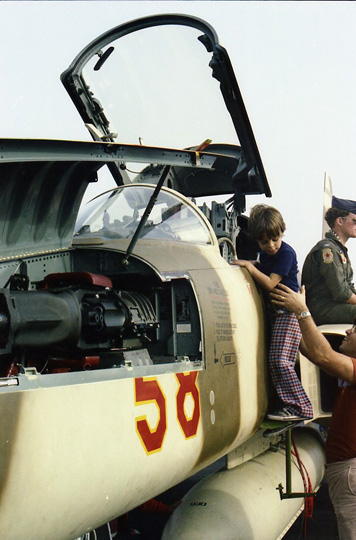
The Northrop T-38 Talon is an American supersonic jet trainer. It was the world's first supersonic trainer and to date, is also the most produced. It remains in service as of 2010 in air forces throughout the world. The United States Air Force (USAF) is the largest user. |
|||||||||||||||||||||||||||
|
In addition to USAF pilots, the T-38 is used by United States NASA astronauts, the U.S. Naval Test Pilot School (other T-38s were previously used as USN aggressor aircraft), as well as some NATO pilots participating in a joint training program. A few are also under civilian ownership.
|
|||||||||||||||||||||||||||
|
|
|||||||||||||||||||||||||||
|
Airshow1 | Airshow2 | Airshow3 | Airshow4 | Tampapix Home |
|||||||||||||||||||||||||||
|
Photos of MacDill Field operations during WW2 from Drew Field's weekly newspaper, Christmas 1942 |
|||||||||||||||||||||||||||

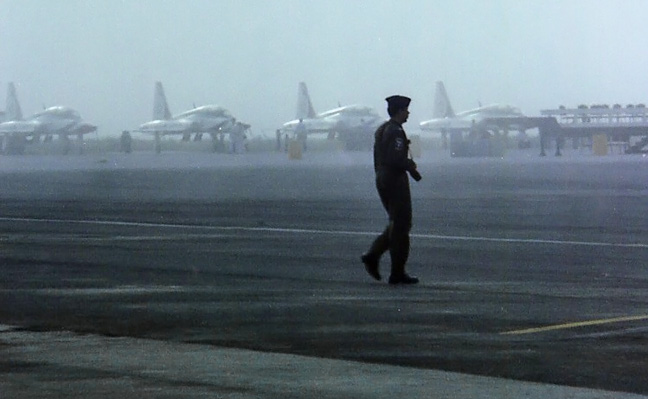 The United States Air
Force Thunderbirds poised on the runway, waiting for the
morning fog to clear. 1976
The United States Air
Force Thunderbirds poised on the runway, waiting for the
morning fog to clear. 1976