|
|
|||||||||||||
|
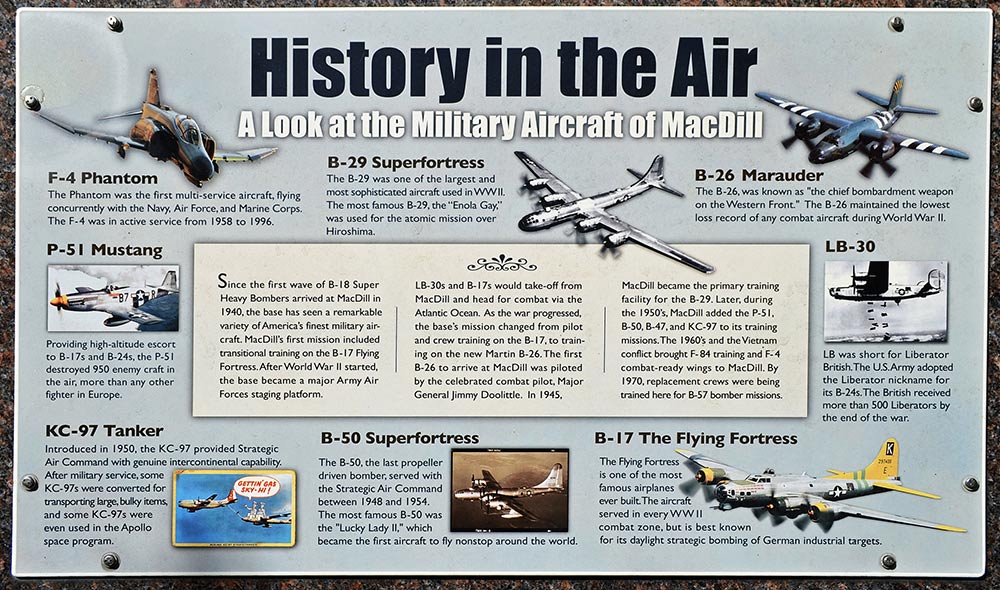
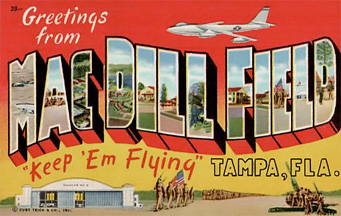
With MacDill AFB History and MacDill Park on the Riverwalk, downtown Tampa
|
|||||||||||||
|
|||||||||||||
|
|||||||||||||
MacDill AFB History, continued from previous page
Private contractors undertook the
construction of runways, hangars, barracks, and administration buildings
in December 1939. Runway construction started on August 14, 1940. At that
time Benjamin House (located near the present-day officers’ club) was used
as an officers’ club and bachelor officers’ quarters, because it was one
of the few buildings on Catfish Point before it became federal property.
Enlisted men also used the former Immigration Service’s quarantine
building for temporary housing. Lastly there was a two-story barracks
containing the office of the adjutant and a mess hall on the first floor,
with sleeping quarters for the guards on the second floor.
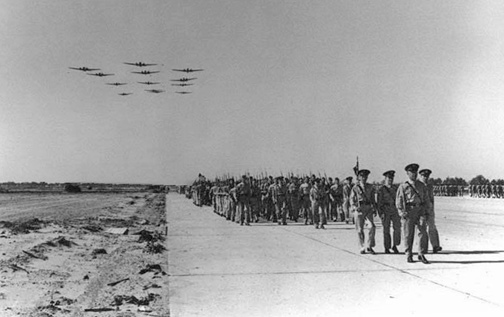
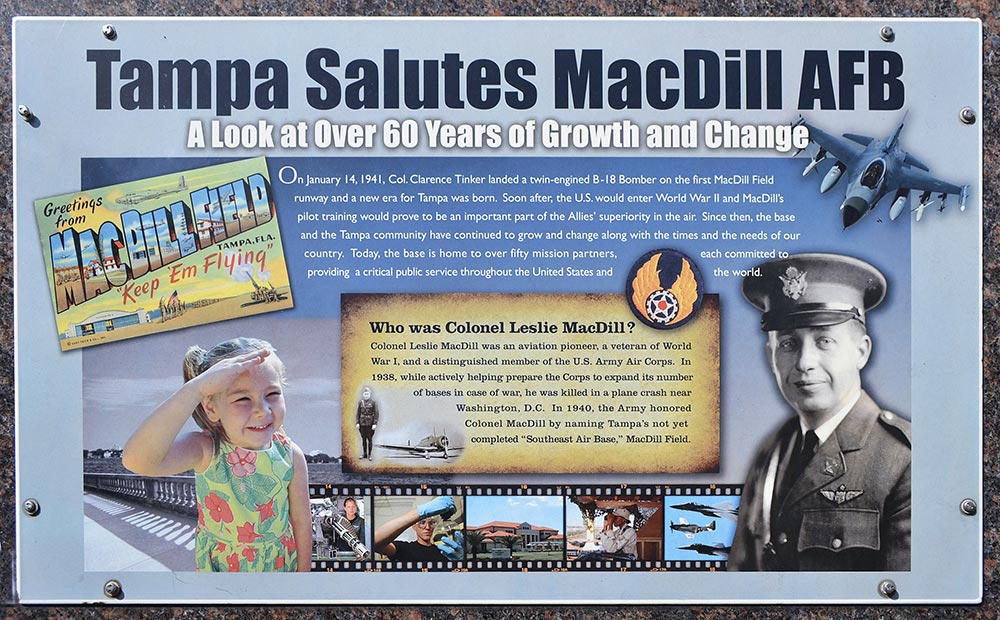
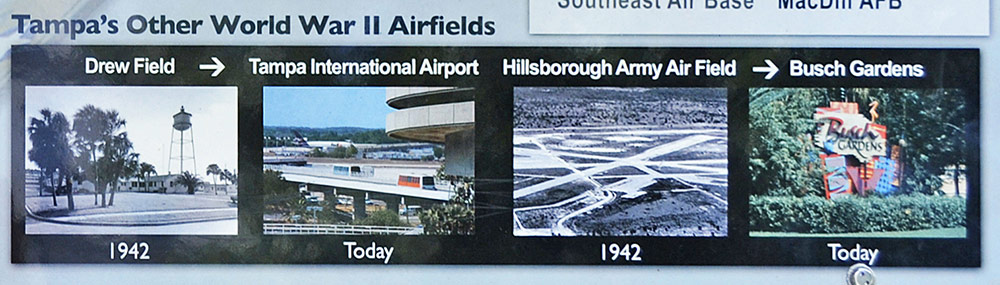
There were three airfields in Tampa during World War II. Drew Field, east of where present day Tampa International Airport is located, Hillsborough Army Airfield (Henderson Field) near and just northeast of where Busch Gardens is situated (originally envisioned as the place for Tampa’s main airport), and MacDill Field. Hillsborough and Drew fields were designated as auxiliary operational (support) bases for MacDill, as well as a number of other fields around the state. During construction of MacDill air field in 1939, Lisbon Avenue was extended as the first road to the base and was soon renamed after Col. Leslie MacDill (MacDill Ave.) Bayshore Boulevard was a brick street that terminated at the base boundary, where motorists sometimes got stuck in the sand at the end. The best highway to the MacDill field was an extension of Vera Avenue, which was extended around 1943 to connect MacDill Air Field with Drew Field, in Drew Park. This road was soon dedicated as Dale Mabry Boulevard, for airship Captain Dale Mabry who was killed piloting the airship "Roma" at Norfolk, VA. The first officer to arrive at the site was Major Lawrence L. Simpson, a construction quartermaster, who initiated the base survey on September 6, 1939, the day after he arrived. On September 8, Lieutenant Colonel Lynwood B. Jacobs, the first commanding officer arrived. During March and April 1940, enlisted soldiers came to the area from Mitchel Field, New York, and Barksdale Field, Louisiana. Lieutenant Colonel Harry H. Young, who had been a member of the selection panel that had chosen the site for the base, replaced Lt. Col. Jacobs as base commander on March 18, 1940. Colonel Clarence L. Tinker assumed command of MacDill Field on May 17, 1940, and he was commissioned as a brigadier general on October 1,1940. Lieutenant Colonel Vincent J. Meloy, commander of the 29th Bombardment Group, led the first flight of aircraft to Tampa on January 17, 1941. This consisted of fourteen aircraft flown from Langley Field to Tampa: three B-17s, two A-17s, and nine B-18s. On Jan. 14, 1941, Brigadier General Tinker landed the first aircraft on the first runway completed, to commemorate the opening. Aircraft and men were housed at Drew Field until the runways at MacDill were finished. Despite these obstacles, flying operations commenced on February 7, 1941. At the time of the official dedication on April 15, 1941 there were three runways (5,000 feet long and 250 feet wide) and a few two-story buildings. Hundreds of troops from the Army Air Corps 29th Bombardment Group and 27th Base Squadron lived mostly in a mosquito-infested tent city at the field. An official flag-raising ceremony was sponsored by the Tampa Elk’s Lodge on June 16, 1941.
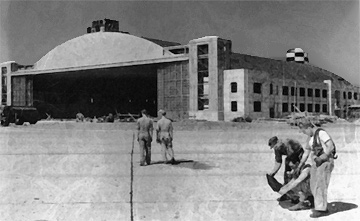
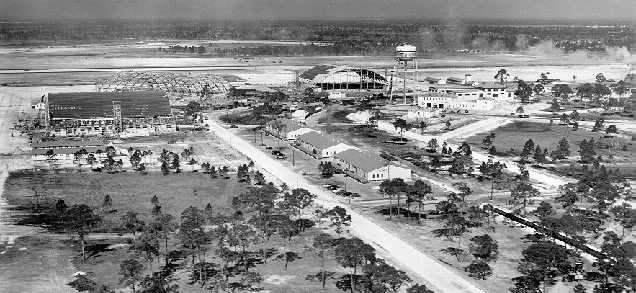
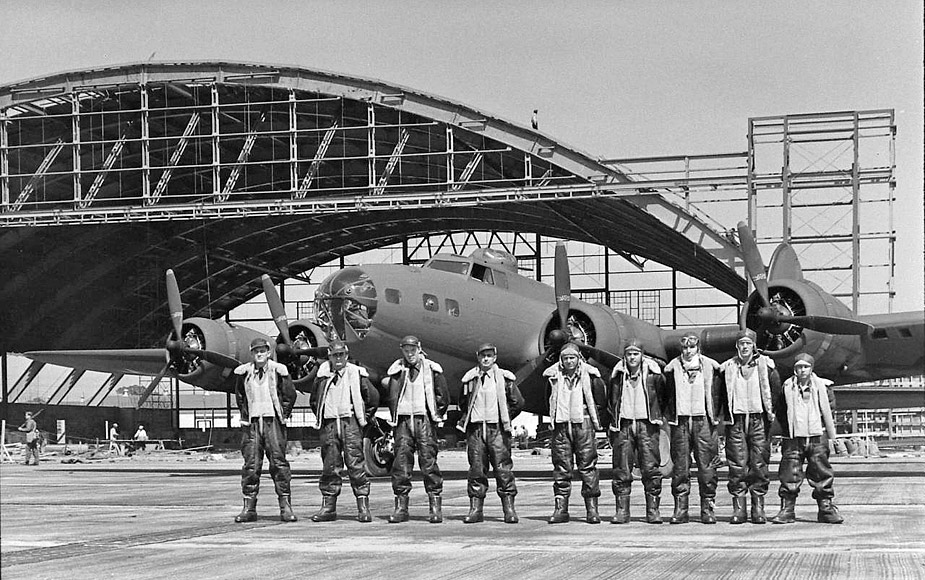
Hangar construction, 1942
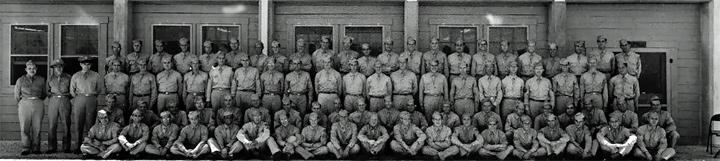
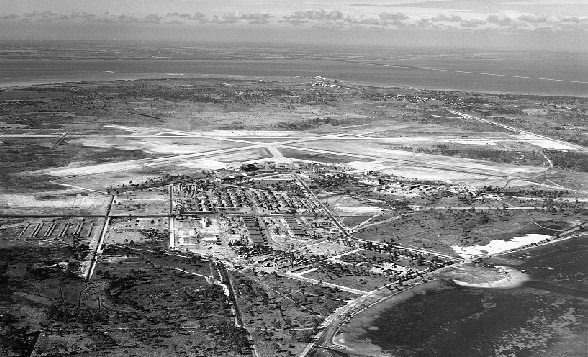
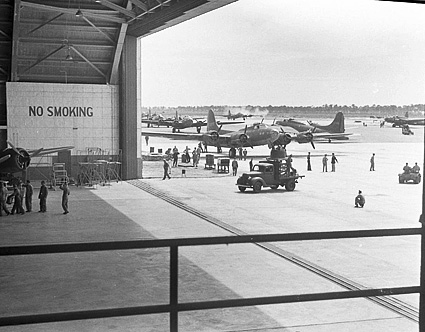
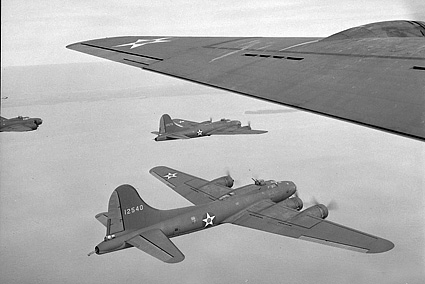
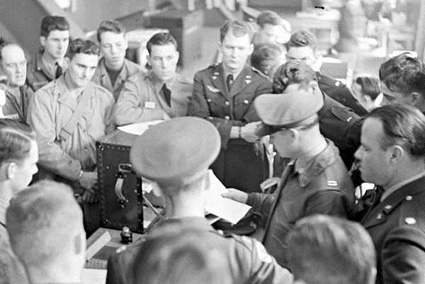
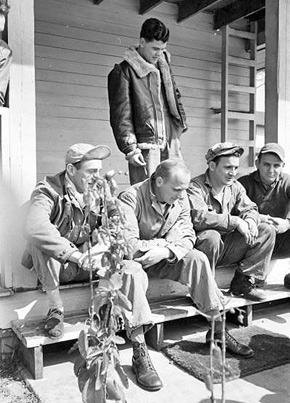
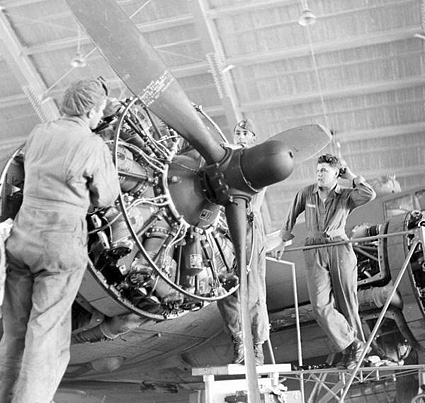
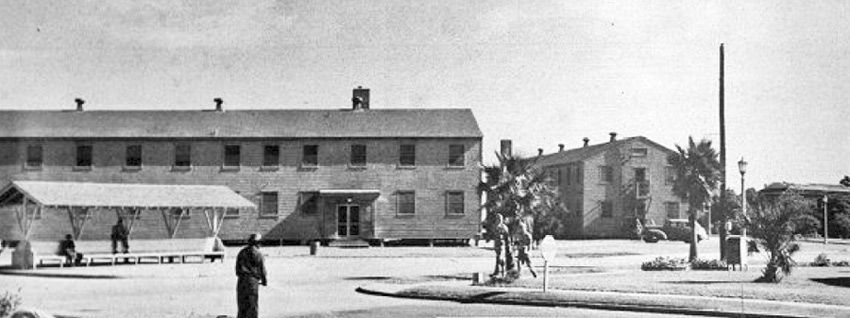
1942 Aerial photo During World War II as many as 15,000 troops were stationed at MacDill Field at one time. A contingent of Women’s Army Corps (WACS) troops arrived in 1943. The base provided various forms of entertainment including band concerts, live performers, and a movie theatre. Two films were made in Tampa with wartime themes: A Guy Called Joe starred Spencer Tracy and had scenes shot at MacDill; The Air Force Story starred John Garfield and had scenes shot at Drew Field. In the latter film B-26s were painted as Japanese bombers, and although the entire Bay area defenses were alerted to this fact, the Coast Guard still shot at the planes as they flew over the Gulf. MacDill Field, March 1942 - Photo courtesy of U.S. Air Force
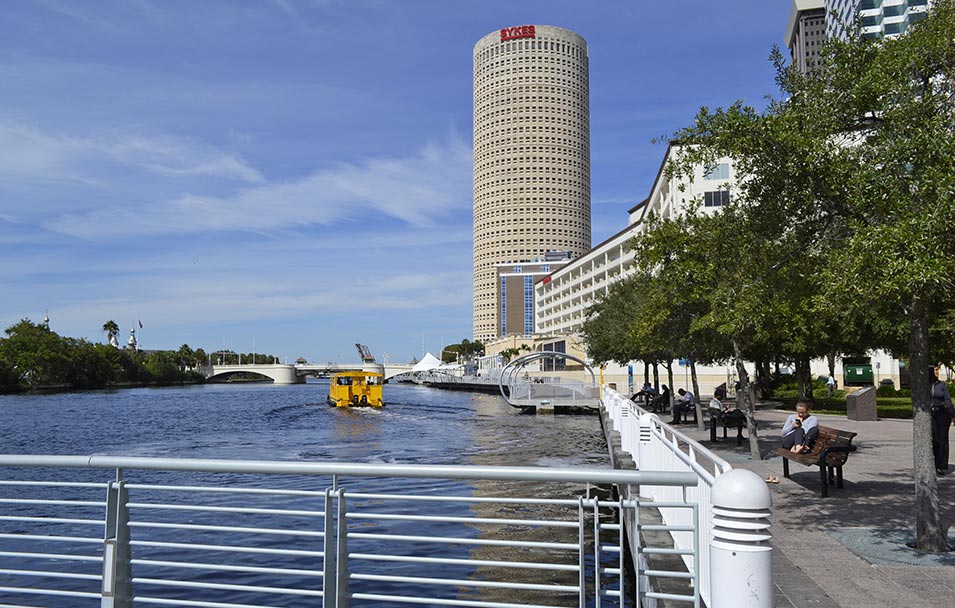
MacDill Park at the Riverwalk, 100 N. Ashley Drive
MacDill Field History continued
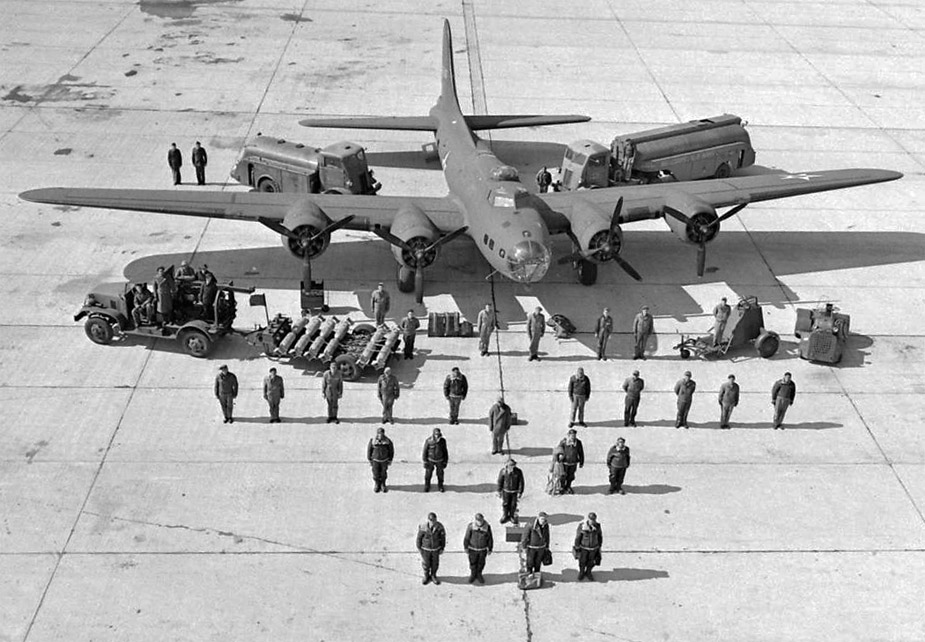
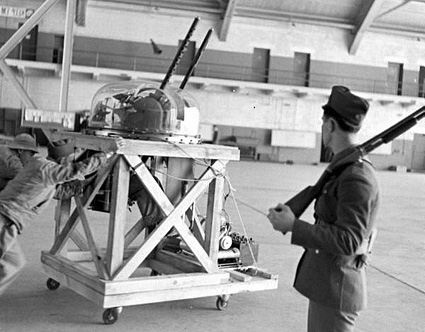
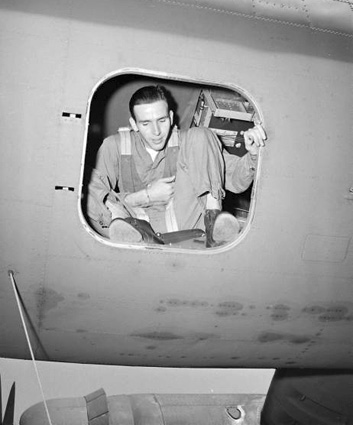
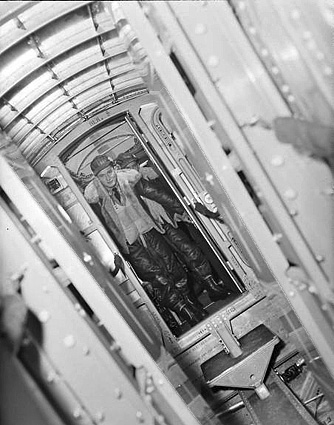
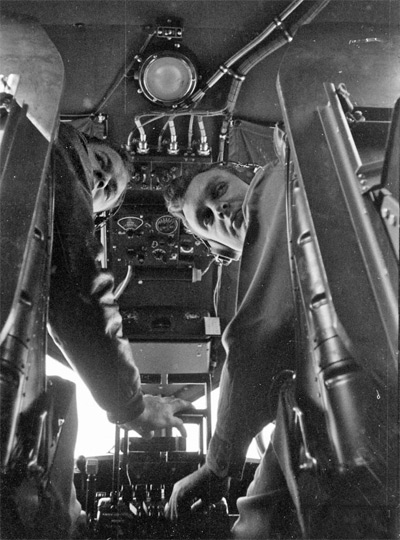
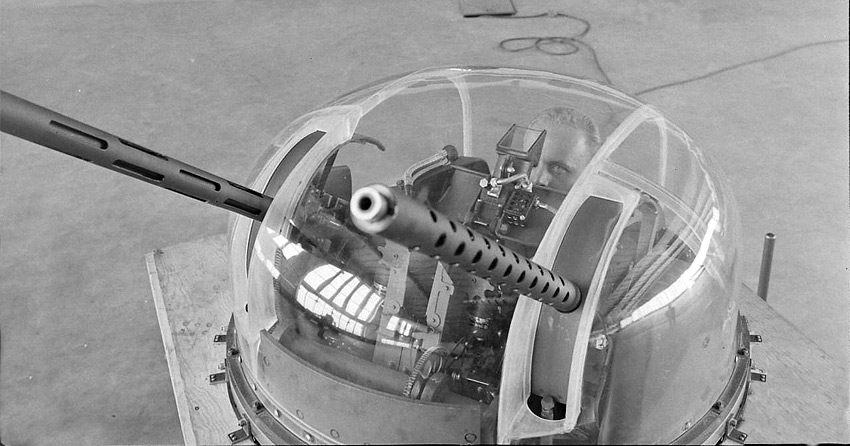
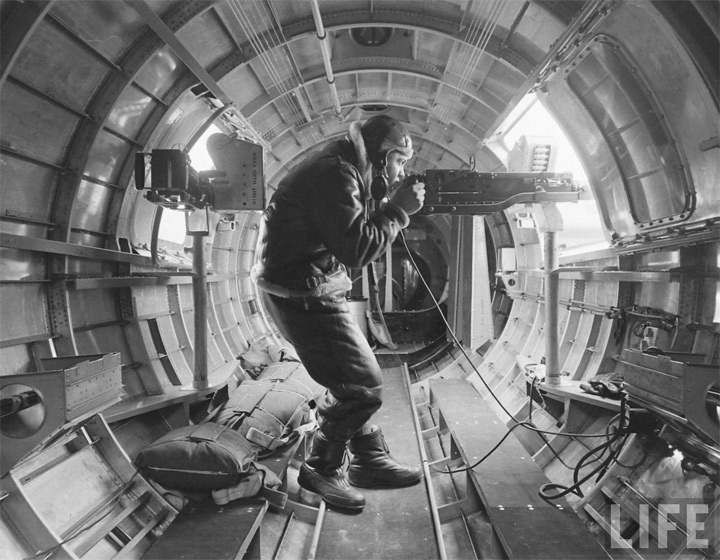
The job of defending the B17-E falls to
five enlisted men who man the planes machine guns when they are under
attack. When
The above March, 1942 photos can be
seen full size, along with many more, at
LIFE Magazine images at Google
Estimates of the number of crew members trained at the bases in the Tampa area varied from 50,000 to over 100,000. Several bases in Florida, including MacDill, also served as detention centers for German prisoners-of-war (POWs) beginning in the latter part of 1944 and early 1945. At the apex, 488 German POWs were interned at MacDill Field.
|
|||||||||||||
|
MacDill Park on the Riverwalk, 100 N. Ashley Drive
|
|||||||||||||
|
|||||||||||||
|
|
|||||||||||||
|
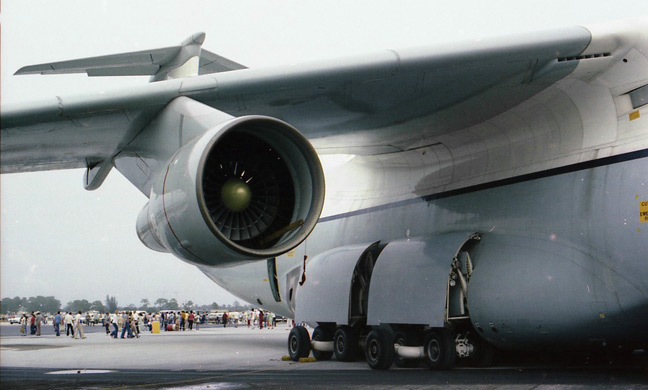
Airshow1 | Airshow2 | Airshow3 | Airshow4 | Tampapix Home |
|||||||||||||
|
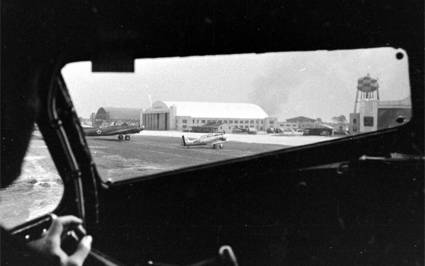
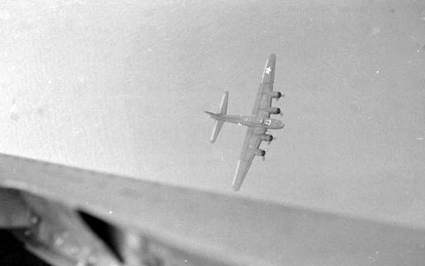
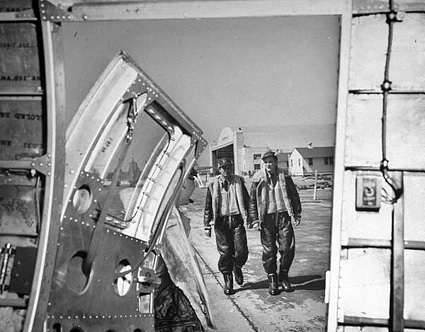
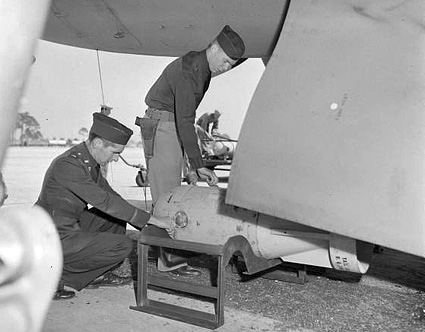
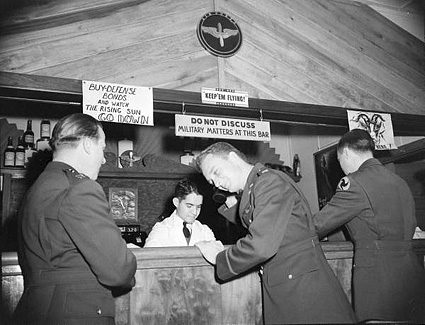
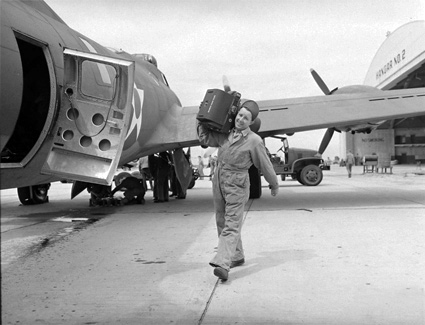
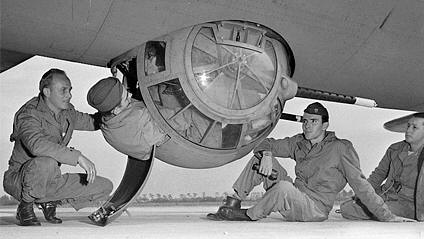
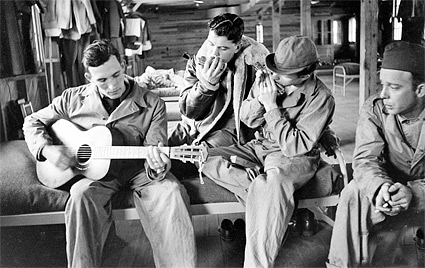
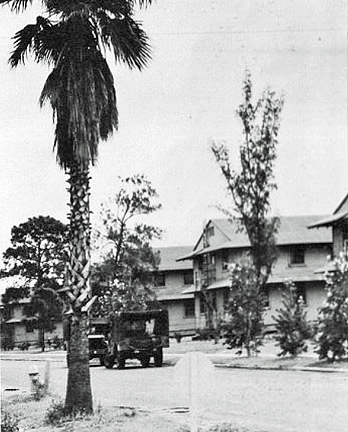
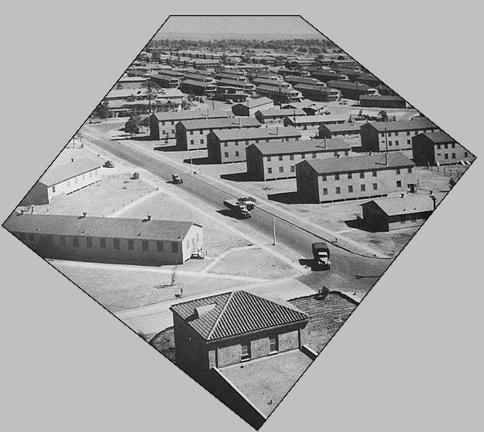
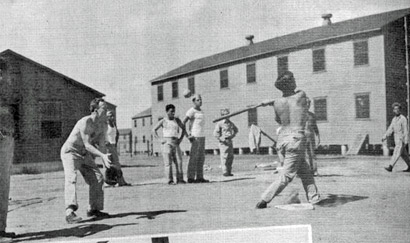
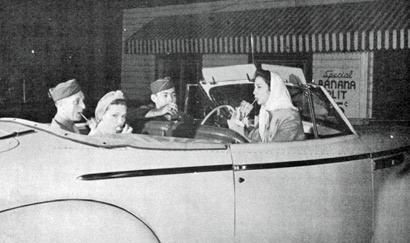
Photos of MacDill Field operations during WW2 from Drew Field's weekly newspaper, Christmas 1942 |
|||||||||||||

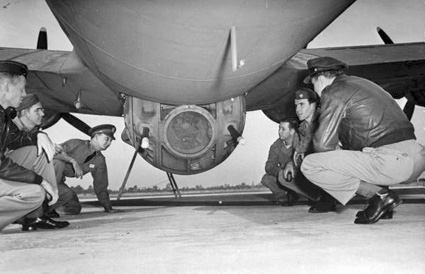
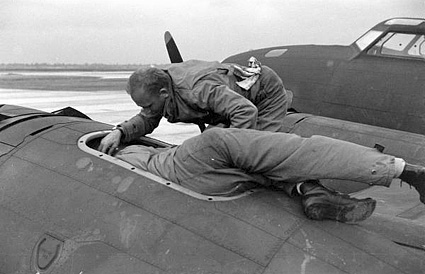
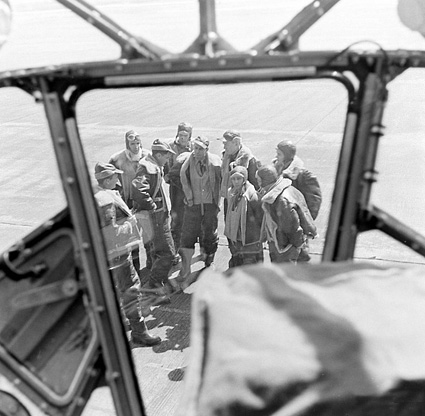
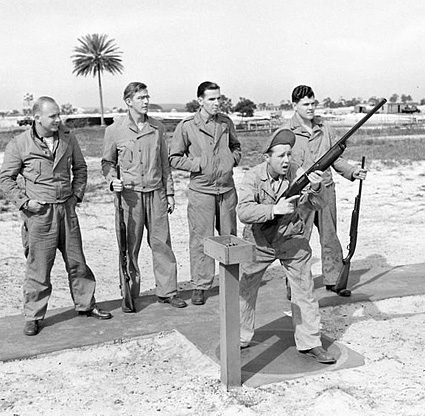
 Post-World War II
MacDill Field became an operational base for the Strategic Air Command
(SAC). Avon Park, located 100 miles southeast of MacDill, became the main
bombing range for the entire southeastern United States. Mullet Key
returned to its pre-war state of dormancy, eventually to become part of De
Soto State Park near St. Petersburg. MacDill served as headquarters for
the 3rd Bomber and Fighter Commands after the latter moved from Drew Field
in December 1945; both commands were inactivated on April 8, 1946.
Tactical Air Command established its first headquarters in Tampa at Fort
Homer Hesterly Armory in 1946, but soon moved to its permanent base to
Langley Field, Virginia. After the Air Force became a separate military
service in September 1947, the official name changed from MacDill Field to
MacDill Air Force Base on July 12, 1948. Thus ended phase one of MacDill’s
history, although many an underwater plane hulks and practice bombs still
remain as haunts from its wartime past.
Post-World War II
MacDill Field became an operational base for the Strategic Air Command
(SAC). Avon Park, located 100 miles southeast of MacDill, became the main
bombing range for the entire southeastern United States. Mullet Key
returned to its pre-war state of dormancy, eventually to become part of De
Soto State Park near St. Petersburg. MacDill served as headquarters for
the 3rd Bomber and Fighter Commands after the latter moved from Drew Field
in December 1945; both commands were inactivated on April 8, 1946.
Tactical Air Command established its first headquarters in Tampa at Fort
Homer Hesterly Armory in 1946, but soon moved to its permanent base to
Langley Field, Virginia. After the Air Force became a separate military
service in September 1947, the official name changed from MacDill Field to
MacDill Air Force Base on July 12, 1948. Thus ended phase one of MacDill’s
history, although many an underwater plane hulks and practice bombs still
remain as haunts from its wartime past.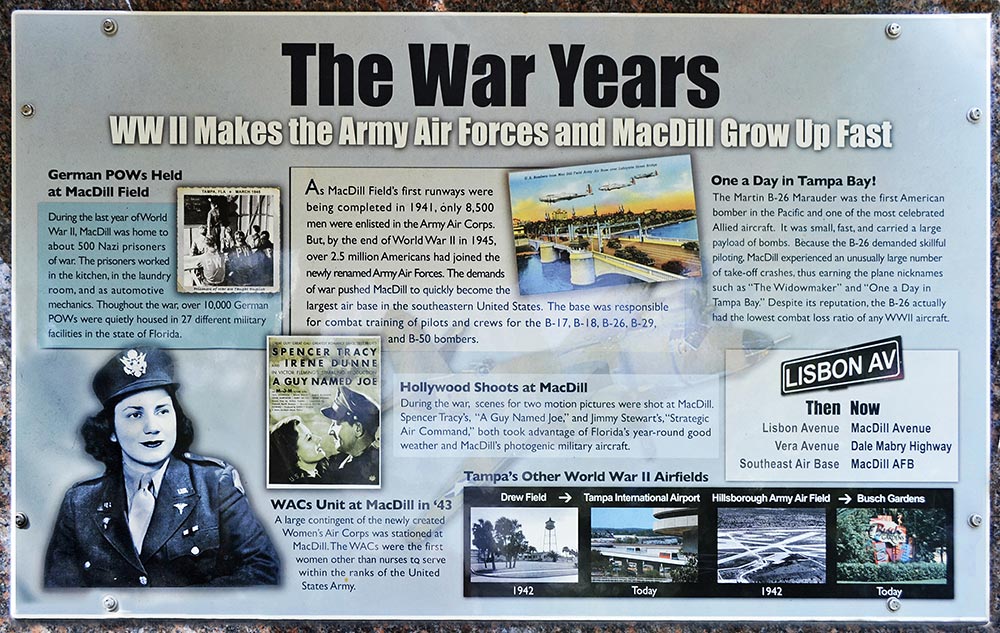
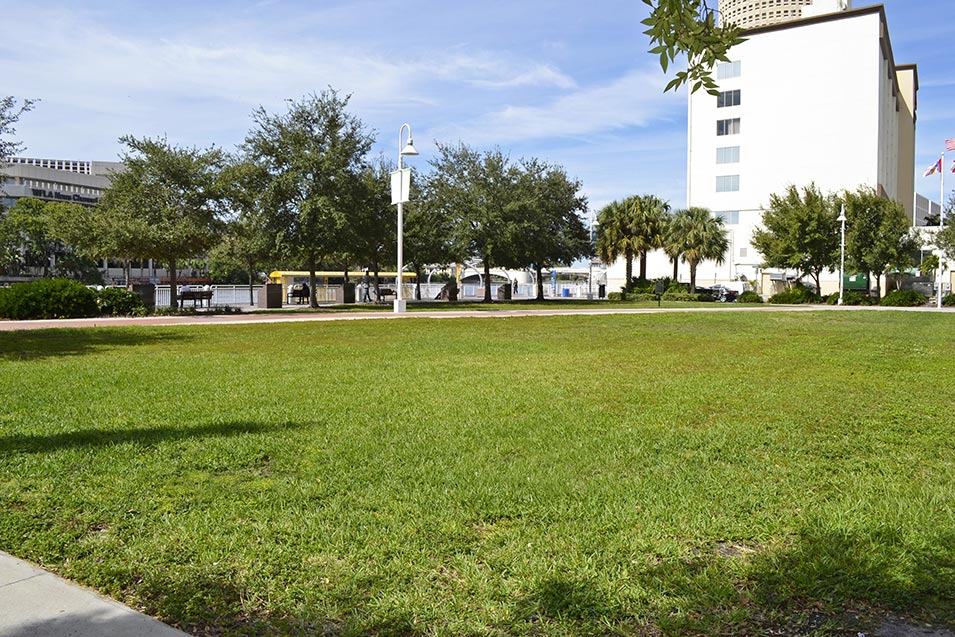
 MacDill
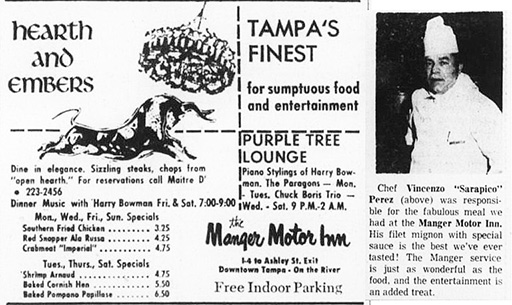
Park at 100 N. Ashley Drive is just south of the Sheraton Hotel, seen at
upper right. The hotel was originally built as the Manger Motor Inn
in the mid-1960s. It offered fine dining in the
MacDill
Park at 100 N. Ashley Drive is just south of the Sheraton Hotel, seen at
upper right. The hotel was originally built as the Manger Motor Inn
in the mid-1960s. It offered fine dining in the